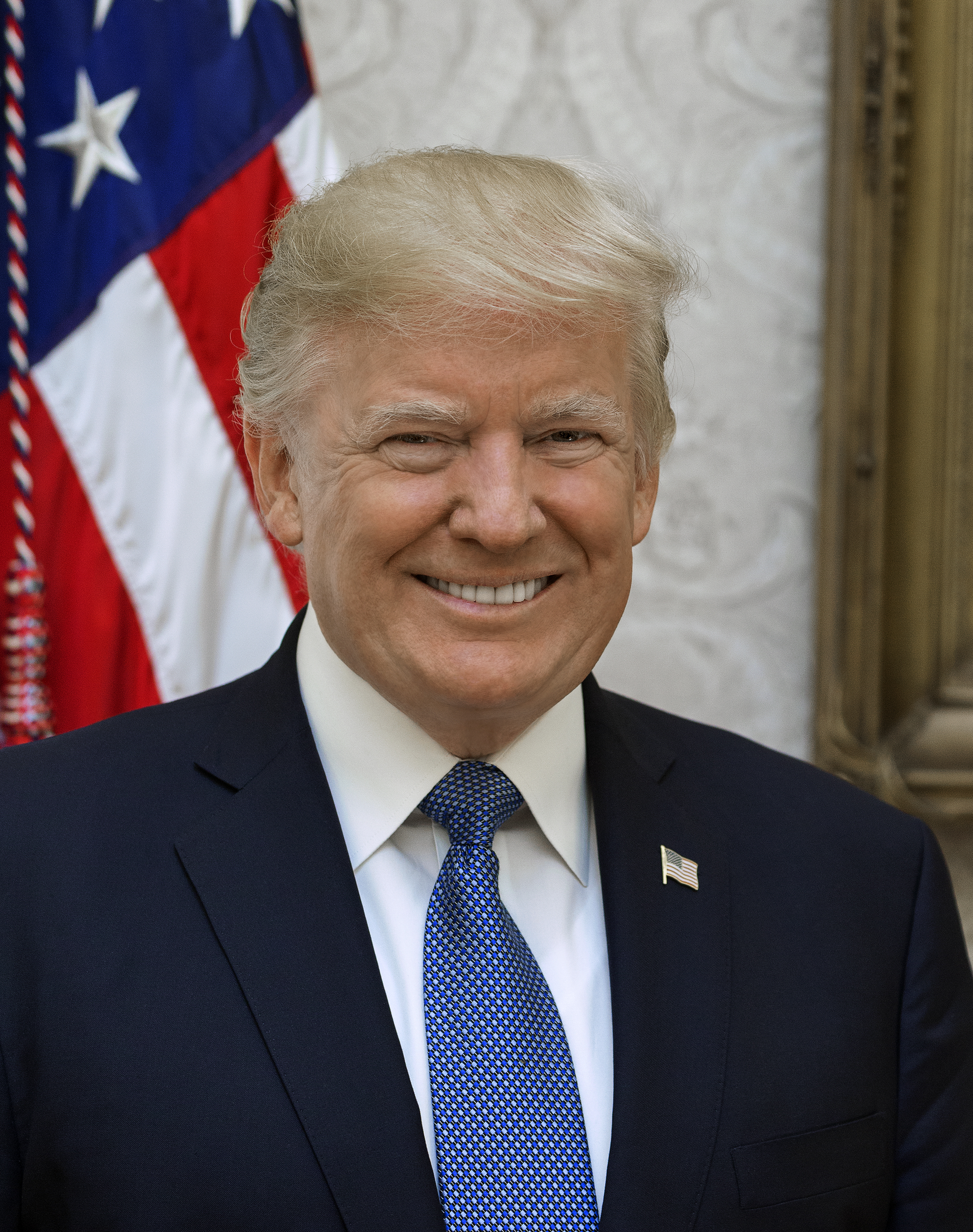
Donald Trump has consistently remained a central figure of discussion within the American political landscape. Various jokes, political satires, and critical remarks centered around him frequently heat up the country's mainstream politics. Recent events and humorous situations involving him have sparked a fresh debate, dividing political analysts and observers alike. While one faction views these incidents as mere political humor, another perceives them as a severe slap and a reflection of polarization in contemporary American political culture.
Reviewing the long history of American politics, satirical commentary and mockery directed at presidents or influential leaders are nothing new. Western society has a rich tradition of utilizing satire and political cartoons to critique leaders. However, in the case of Donald Trump, these matters often take on a distinctly different dimension. His aggressive political style and unique communication approach on social media frequently provide fodder for his political opponents. Consequently, while these episodes tend to endear Trump further to his loyal base, his adversaries seize every opportunity to undermine him.

In recent times, the humor and jokes generated around Trump have transcended simple entertainment, evolving into policy and ideological debates. According to political analysts, the deep polarization currently visible in American society means that even minor incidents or comments can quickly escalate into major controversies. Trump's critics argue that such mockery is a natural reaction to his contentious policies and actions. Conversely, Trump's loyalists vehemently protest, claiming this is a concerted effort by mainstream media and political opponents to tarnish his image.
In the era of social media and digital platforms, such political humor goes viral instantly, capturing the attention of millions. Both pro-Trump and anti-Trump factions are leveraging these moments to solidify their respective political stances. While supporters view this as a form of political vendetta against Trump, critics maintain it is merely an exercise in free speech and political critique. General voters have also found themselves divided over the issue, a dynamic that is expected to significantly influence upcoming political equations.
Looking ahead, Donald Trump's role in American politics remains profoundly consequential. Speculation abounds regarding how much influence such controversies and humor will ultimately exert on the trajectory of his political career. Nevertheless, it is abundantly clear that the political heat surrounding Trump shows no signs of dissipating anytime soon; rather, it continues to intensify day by day. How political strategies and voter sentiments eventually align remains to be seen.