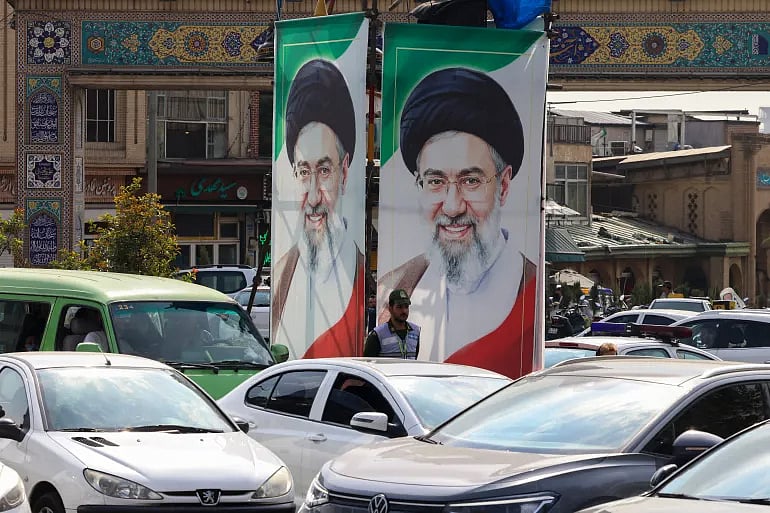
The geopolitical landscape of the Middle East is facing a critical juncture as Iran’s Islamic Revolutionary Guard Corps (IRGC) announced a significant shift in its military doctrine. Moving away from a purely defensive posture, Tehran has declared that any future aggression from the United States or Israel will be met with an offensive and asymmetric military response. This new strategy explicitly includes targeting American military bases and extending operations into neighboring territories if Iran is attacked.
This escalation follows months of mounting tensions, characterized by stalled diplomatic efforts and increased instability in the strategic Strait of Hormuz. The situation has become so volatile that Washington has begun evacuating non-essential diplomatic personnel and their families from Saudi Arabia, citing security concerns related to regional threats, including those posed by Houthi insurgents in Yemen.

Strategic analysts suggest that Tehran is applying lessons learned from recent years, concluding that a reactive, tit-for-tat approach has failed to deter adversaries. By threatening to strike US assets directly, Iran is attempting to raise the cost of any potential military intervention. Narges Bajoghli and other experts at the Center for International Policy have noted that the total breakdown in communication between Washington and Tehran has left little room for de-escalation.
Adding to the uncertainty, US President Donald Trump has hinted at imminent decisions regarding the ongoing regional conflict, fueling speculation that a new military campaign could be in the works. Reports suggest that Washington and Tel Aviv are coordinating on potential strike plans to be executed within the coming weeks, further narrowing the window for a peaceful resolution.
As the region teeters on the brink of a major conflict, the international community remains deeply concerned about the potential for a wider war. Such a confrontation would not only devastate regional stability but could also trigger a global energy crisis and disrupt critical maritime trade routes. While the rhetoric remains aggressive on both sides, the world watches closely to see if back-channel diplomacy can prevent a catastrophic escalation.