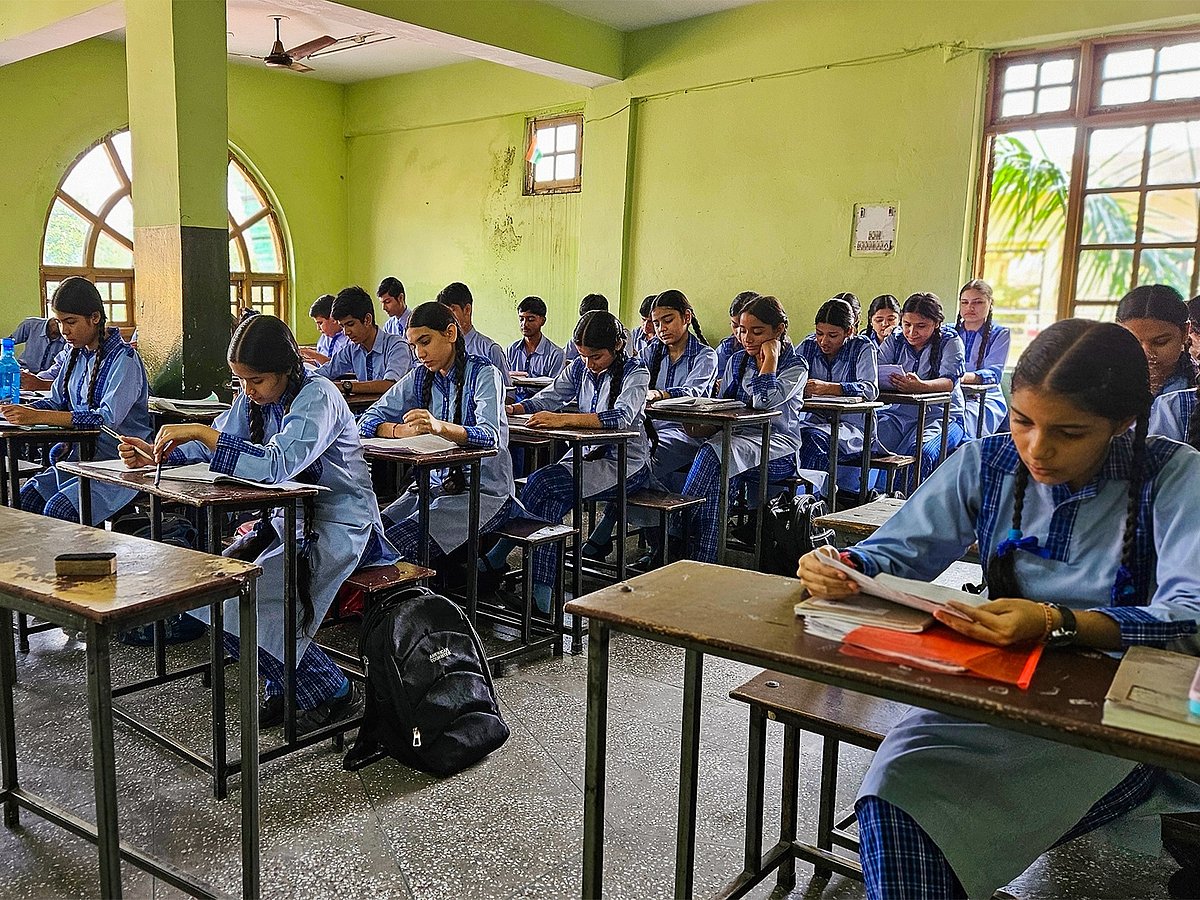
In a controversial policy shift, the Bharatiya Janata Party-led government in Gujarat has issued a sweeping directive prohibiting outsiders and even students' parents from entering educational institutions without prior written authorization. Covering roughly 46,000 primary, secondary, and higher secondary schools across the state, the new rules strictly forbid photography, videography, and unauthorized communication with students or teachers within school premises.
According to the official justification provided by state authorities, the measures are designed to safeguard the security, dignity, and privacy of students and educational staff. The government emphasized that schools act in loco parentis—taking on the role of parents while children are at school—and any breach of campus security will not be tolerated. Violators face stern legal consequences under child protection laws and penal codes.

However, political opponents and civil society groups have sharply criticized the move, alleging it is a calculated attempt to muzzle transparency and suppress growing criticism over deteriorating infrastructure in government schools. Critics argue that the timing of the directive, ahead of upcoming state assembly elections, points toward an effort to block civic groups and political activists from documenting and exposing poor educational conditions.
While the education ministry claims the restrictions are meant to keep individuals with malicious intentions away from children, transparency advocates argue that cutting off parents from routine access to schools harms community engagement. The policy has sparked a heated debate regarding accountability, public scrutiny, and the balance between campus safety and democratic transparency in state-run educational institutions.