

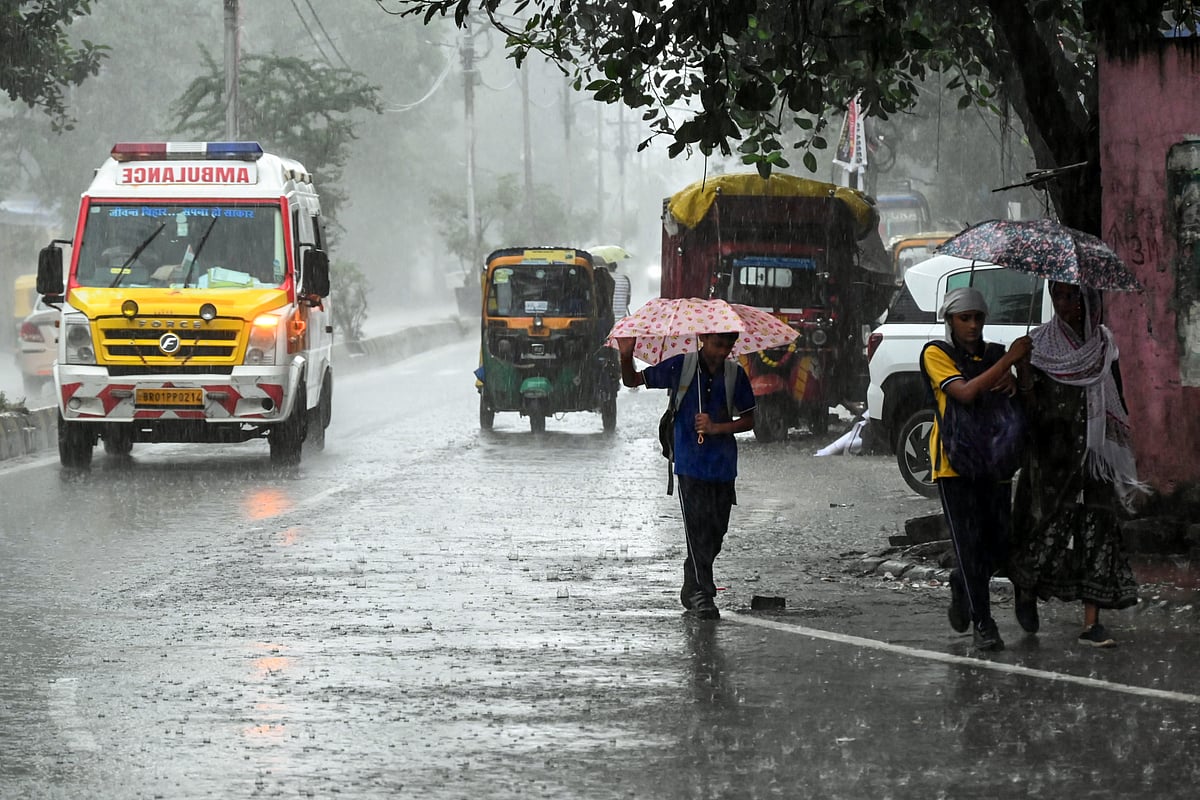
Indian authorities have ordered urgent evacuations in the southwestern state of Andhra Pradesh as severe Cyclone Arnab barrels toward the coast, threatening widespread destruction. According to the national meteorological office, the storm is projected to make landfall by Wednesday, packing destructive maximum sustained winds of up to 140 kilometres per hour.
Cyclones in the Bay of Bengal and the northern Indian Ocean are a recurring threat, but scientists note that the ongoing storm season has been significantly amplified by the El Nino weather phenomenon, which has caused unprecedented marine warming. The India Meteorological Department warned that Cyclone Arnab could cause extensive structural damage to thatched and vulnerable housing, uproot utility poles, disrupt communication lines, and devastate standing agricultural crops.

In response to the looming threat, Andhra Pradesh Chief Minister Nara Chandrababu Naidu has directed local administrations to maintain constant vigilance and implement robust precautionary measures. Regional authorities have commenced evacuations in low-lying coastal zones and ordered the closure of educational institutions across several vulnerable districts from Tuesday through Saturday to ensure public safety.
Meanwhile, neighboring Sri Lanka is also bracing for severe weather conditions triggered by the regional atmospheric disturbance. The island nation's Department of Meteorology has issued severe warnings for torrential rainfall, flash floods, and potential landslides. Sri Lanka's Disaster Management Centre confirmed that the military has been placed on high alert and schools have been shut down as a preventive measure against the looming disaster.
Governments in both nations are pulling out all stops to mitigate the impact of Cyclone Arnab. Emergency response units, disaster management teams, and local administrations remain mobilized around the clock as the region braces for what could be one of the most severe weather events of the season.

