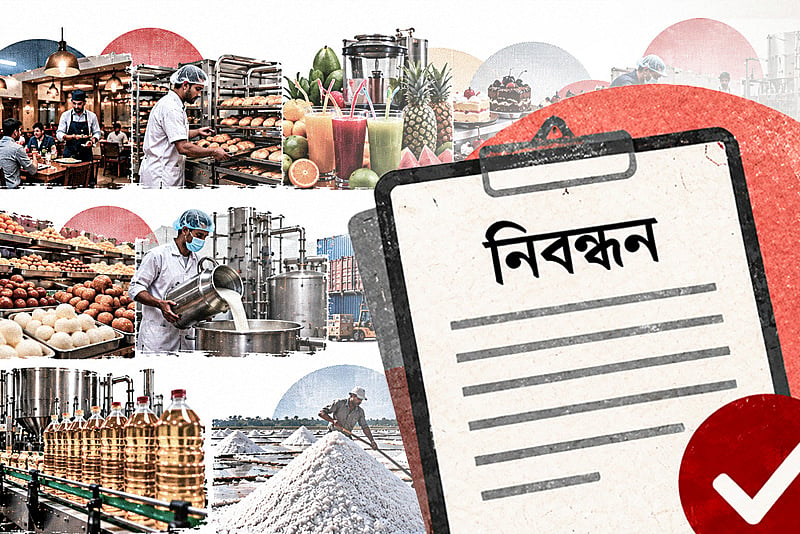
In a significant move aimed at protecting public health and ensuring food safety standards, the authorities have initiated a plan to bring roadside temporary food stalls under a mandatory registration framework. This includes popular street food vendors selling items like Pitha, Puri, snacks, and fresh fruit juices across various roads and alleyways. The primary objective behind this administrative decision is to curb the adverse health impacts caused by food prepared and sold in unhygienic environments.
Street food has long been an integral part of urban life, catering daily to working-class people and common citizens who look for affordable and quick meal options. However, concerns regarding the quality of ingredients, preparation methods, and the purity of water used in these stalls have persisted for a long time. Often, food prepared in open and unhygienic conditions becomes the breeding ground for various foodborne illnesses. Bringing this sector under discipline was urgently needed to mitigate everyday health risks for the general public.

Through this proposed registration process, temporary and mobile food vendors will be integrated into a structured system. This will enable food safety regulatory bodies to monitor these establishments more effectively. Furthermore, plans are underway to provide vendors with awareness guidelines and training on preparing food under sanitary conditions, maintaining personal hygiene, and using safe ingredients. Such measures are expected to reduce the use of harmful additives and ensure consumers receive safer food products.
Ensuring safe food is a fundamental right of every citizen under relevant food safety laws and regulations. This registration drive aims to reinforce the message that roadside vendors must prioritize public health alongside their livelihood. At the same time, stakeholders emphasize that the registration procedure must remain simple and harassment-free to protect the interests of small-scale entrepreneurs and low-income workers.
Analysts believe such initiatives will only achieve success if paired with strict monitoring, alongside clear support and structured guidelines for small vendors. Addressing traffic congestion and environmental concerns caused by haphazard stall placement, while simultaneously enforcing food standards, will significantly contribute to improving the overall public health landscape. Successfully implementing this policy promises to make urban street food culture much safer and more hygienic for everyone.