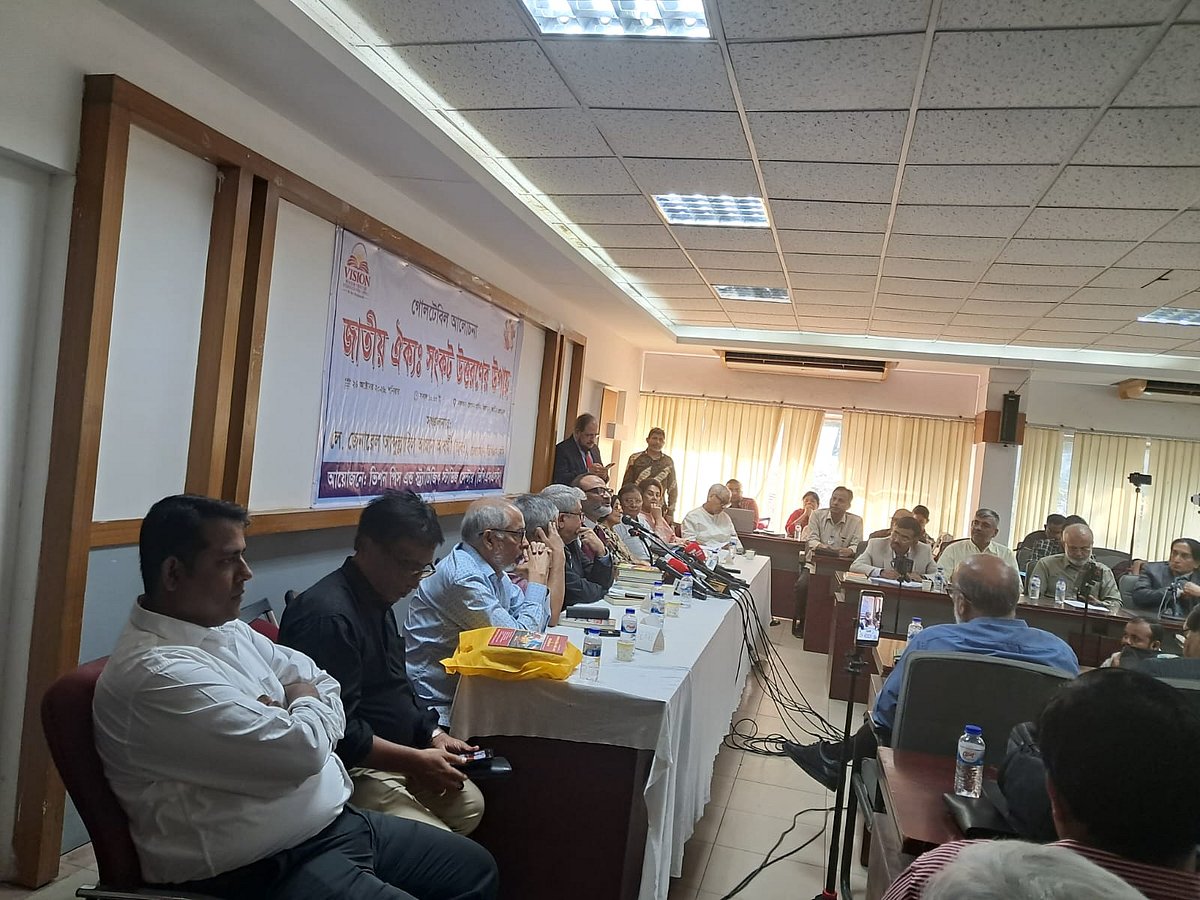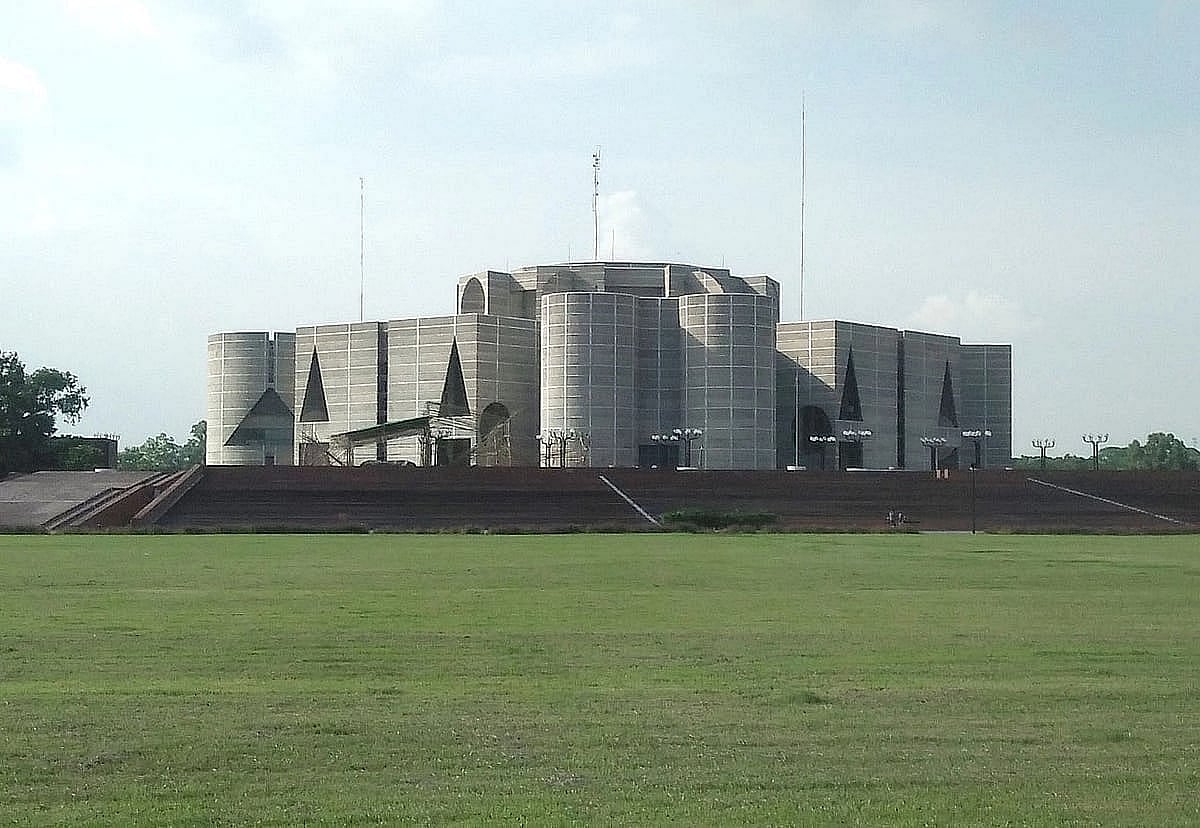
The special committee tasked with constitutional reform has received a series of significant proposals aimed at restructuring the caretaker government framework and the nation's overall governance. During a comprehensive meeting held at the Parliament House, constitutional experts, legal scholars, and senior Supreme Court lawyers deliberated on various models to ensure fair elections and institutional accountability.
Committee Chairman and Home Minister Salahuddin Ahmed noted that a key proposal involves the potential formation of a caretaker government through an upper house of parliament, should the legislature adopt a bicameral structure. While this framework remains in the preliminary discussion phase, it represents a major shift in the political discourse. Participants also debated the necessity of an upper house, with some suggesting an advisory council as a more viable alternative.

Beyond the caretaker government, the meeting addressed the need for a balance of power between the President and the Chief Justice. A major point of consensus was the demand for an independent secretariat for the judiciary, ensuring that administrative control over lower court judges remains solely under the judicial branch. This is seen as a critical step toward ensuring judicial independence.
Strengthening constitutional bodies was another focal point. Proposals were made to elevate the Anti-Corruption Commission and the Human Rights Commission to fully autonomous constitutional status. Furthermore, the committee discussed implementing a neutral selection committee for appointments to the Election Commission and other vital state institutions to ensure impartiality.
Structural reforms for the parliament were also proposed, including a four-year term for the lower house and a six-year term for the upper house. To ensure inclusive representation, it was suggested that the upper house should include members from all 64 districts and various ethnic communities. Additionally, the proposal to hold direct elections for reserved women's seats was highlighted as a move to deepen democratic participation.
The session, which lasted over six hours with 44 experts in attendance, marks a pivotal moment in the ongoing constitutional reform process. The committee is now tasked with synthesizing these diverse proposals into a coherent framework that could redefine the country's political landscape and strengthen its democratic foundations.