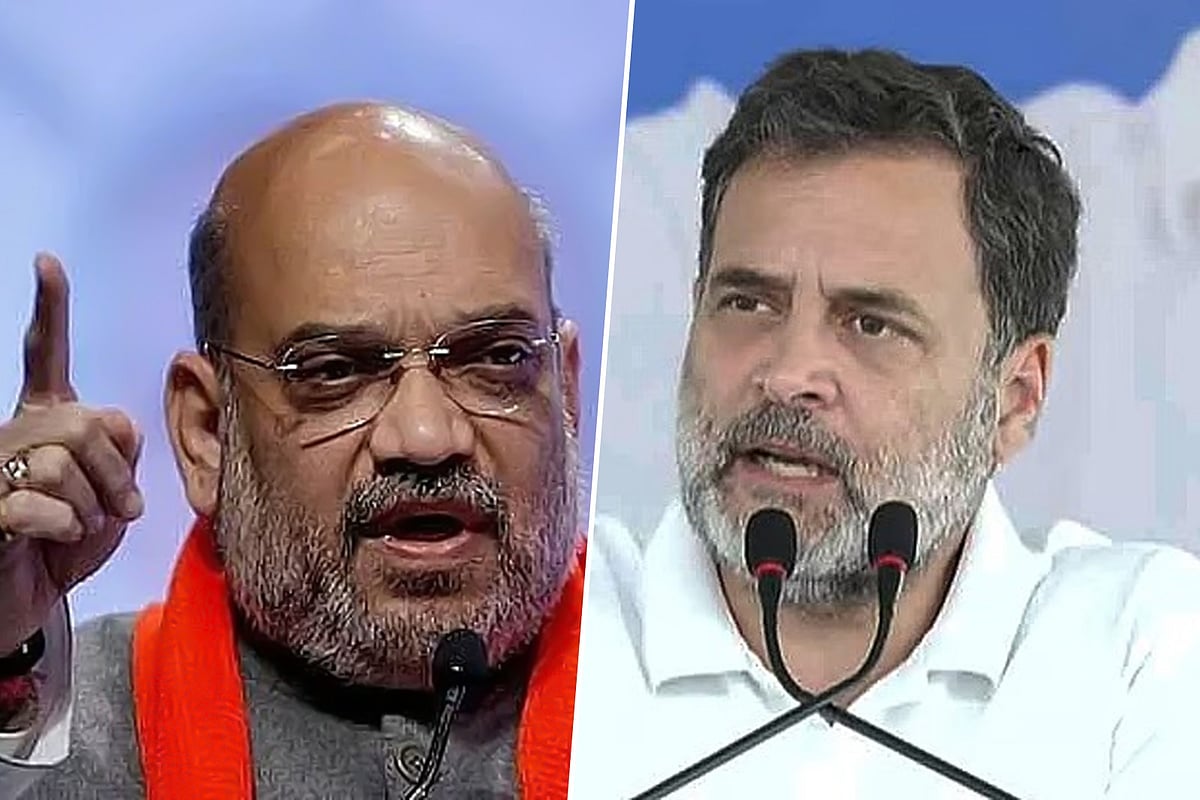
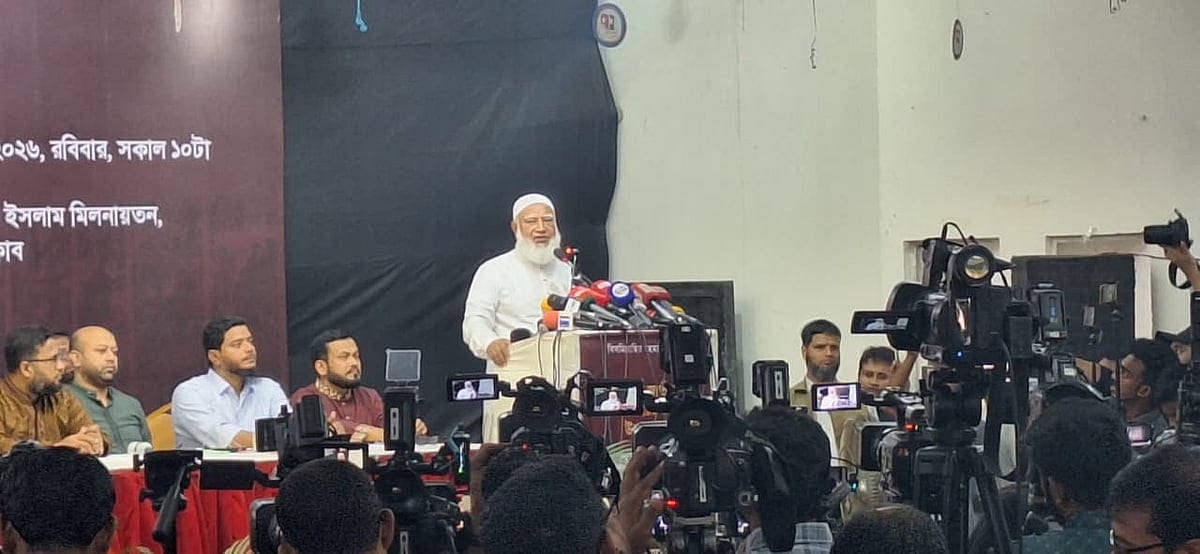
Amid growing debates surrounding the transparency and credibility of upcoming electoral processes, sharp warnings have been issued against any potential attempts at vote rigging. Political and civic stakeholders have declared that any interference or manipulation at the voting booths will face immediate, aggressive pushback, including blockades stretching from local polling centers directly to regional election offices.
Observers note that ensuring a level playing field is paramount for any functioning democracy. Past controversies and allegations of irregularities have created a deficit of public trust, making voters increasingly vigilant about their rights. Ensuring that citizens can cast their ballots without fear, intimidation, or coercion remains a central demand from various quarters ahead of the voting day.

Political analysts emphasize that while the primary constitutional responsibility for a fair election lies with the electoral commission, grassroots administrative neutrality is equally critical. Local power dynamics and partisan influences often threaten the integrity of the ballot box, prompting civil society and political factions to organize independent monitoring mechanisms to safeguard the democratic process.
The newly articulated warnings serve as a direct message to authorities and potential manipulators that surveillance will be intense at every single center. Any observed malpractice is expected to trigger immediate localized protests, escalating swiftly into institutional sieges if swift administrative action is not taken to rectify the grievances.
Ultimately, stakeholders are urging the law enforcement agencies and election officials to discharge their duties with utmost professionalism and strict impartiality. The success of the electoral exercise and the subsequent political stability of the nation heavily depend on the uncompromising integrity of the vote-counting and balloting procedures in the days ahead.