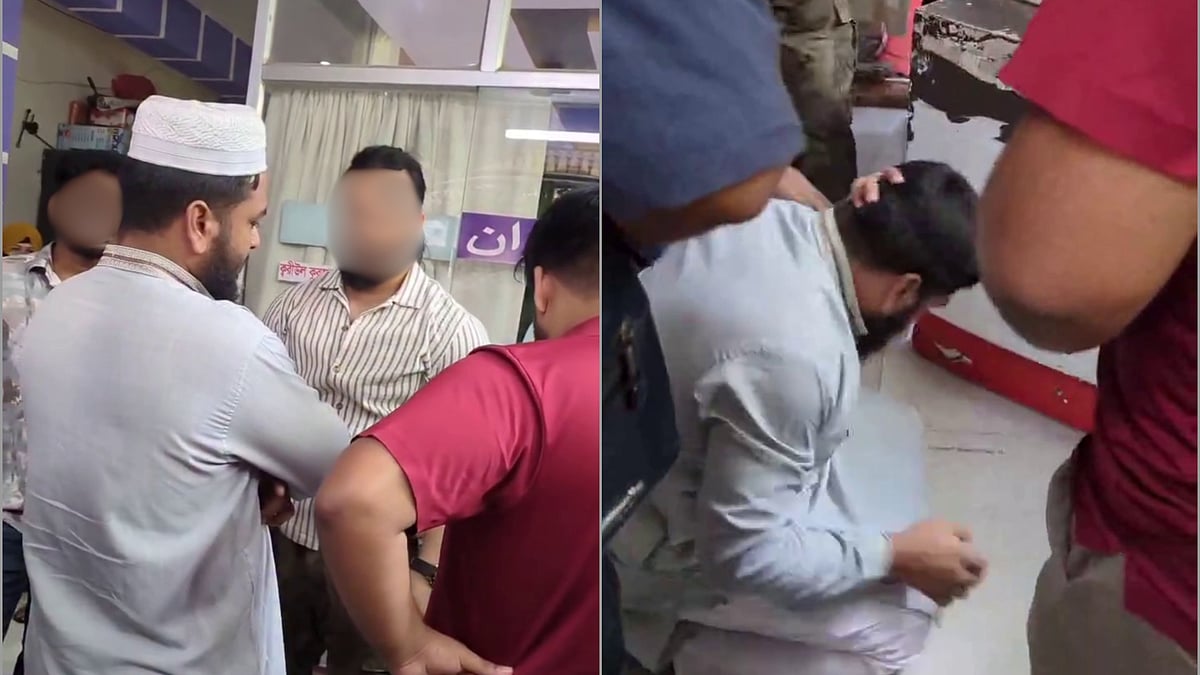
The issue of physical abuse against children in madrasas has long been a subject of grave concern, frequently surfacing in public discourse. Recent viral videos depicting teachers brutally beating young children with heavy sticks have reignited the debate regarding the safety and disciplinary practices within these religious institutions. These incidents are not merely isolated cases but reflect a deeply ingrained culture of corporal punishment that violates fundamental human rights.
Many individuals have shared harrowing accounts of their own childhood experiences, recalling instances where minor infractions—such as watching a football match—resulted in severe physical trauma. From the use of heavy kitchen utensils as weapons to chaining children to prevent them from running away, the accounts paint a grim picture of the environment in some of these institutions. Such brutality leaves lasting psychological scars on children, severely hindering their emotional and cognitive development.

A critical question remains: why has there been a relative silence from the religious leadership regarding these atrocities? As custodians of religious education, the responsibility lies with the scholars and administrators to ensure that the learning environment is both safe and humane. Unfortunately, in many instances, there is a tendency to protect the perpetrators rather than holding them accountable, which only serves to embolden those who abuse their authority.
While government directives explicitly prohibit corporal punishment in educational settings, the enforcement at the grassroots level remains alarmingly weak. Often, local influence or the misuse of religious sentiment allows offenders to escape justice. Experts argue that legislative measures are insufficient without robust monitoring and a fundamental shift in pedagogical approaches. Teachers must be trained in modern, humane methods of instruction that prioritize the well-being of the student.
Ultimately, transforming the madrasa environment into a safe space for children is an urgent societal necessity. Religious education should be rooted in morality, compassion, and human dignity, not fear and violence. It is imperative for religious leaders, parents, and the state to collaborate in eradicating this culture of abuse. Failure to protect children within these institutions not only undermines the integrity of religious education but also risks the future of the next generation.