The high-powered task force investigating the sensational murder of journalist couple Sagar Sarwar and Meherun Runi has submitted its latest progress report to the High Court. The report was presented before the High Court bench comprising Justice Shikder Mahmudur Razi and Justice Fatema Anwar. Following a prayer for time by the state counsel, the court has set April 29 for the next order in the long-pending judicial proceeding.
According to the special observations included in the progress report, the victims did not sustain any major or critical structural damage to their vital organs during the assault. However, multiple wounds across their bodies led to severe and continuous bleeding. Analyzing the autopsy and inquest reports, investigators concluded that both Sagar and Runi survived for a significant duration despite their injuries. Bruises and wound marks were prominently visible on their necks, backs, and underneath their eyes. The crime scene analysis suggests that the perpetrators executed the crime in a calculated manner without showing any signs of immediate panic or haste.

The investigation report also shed light on the DNA evidence retrieved from the crime scene. Initial forensic analysis of the bedsheet used to bind Sagar and the T-shirt worn by Runi revealed DNA profiles belonging to two unknown males. These biological samples were sent to specialized laboratories in the United States to generate facial profiles or distinct identities of the culprits. However, due to severe overlapping and mixture of the DNA samples, forensic experts could not establish a definitive match or generate a clear profile. Efforts to match this unknown DNA with the profiles of previously suspected individuals and arrestees are still ongoing.
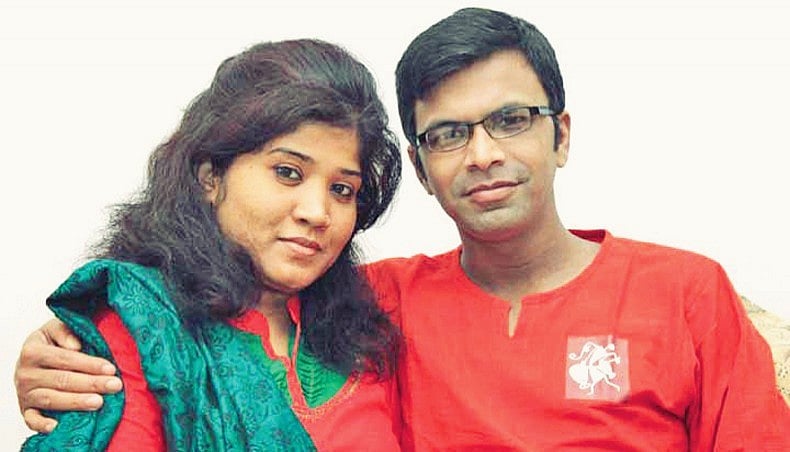
Sagar Sarwar, news editor at Maasranga Television, and Meherun Runi, senior reporter at ATN Bangla, were brutally murdered inside their rented apartment in the West Rajabazar area of the capital on February 11, 2012. The double murder sparked nationwide outrage and led to prolonged protests by journalistic bodies demanding immediate justice. Despite changing multiple investigative agencies over the years, the case has faced repeated delays, prompting public anxiety and frustration regarding the judicial pace.
Family members and journalist associations are hopeful that the current high-powered task force will finally unearth the truth and bring the actual perpetrators to justice. As the court has granted additional time for the state to review and pursue forensic leads, all eyes remain fixed on the upcoming April 29 hearing for the next crucial directives.