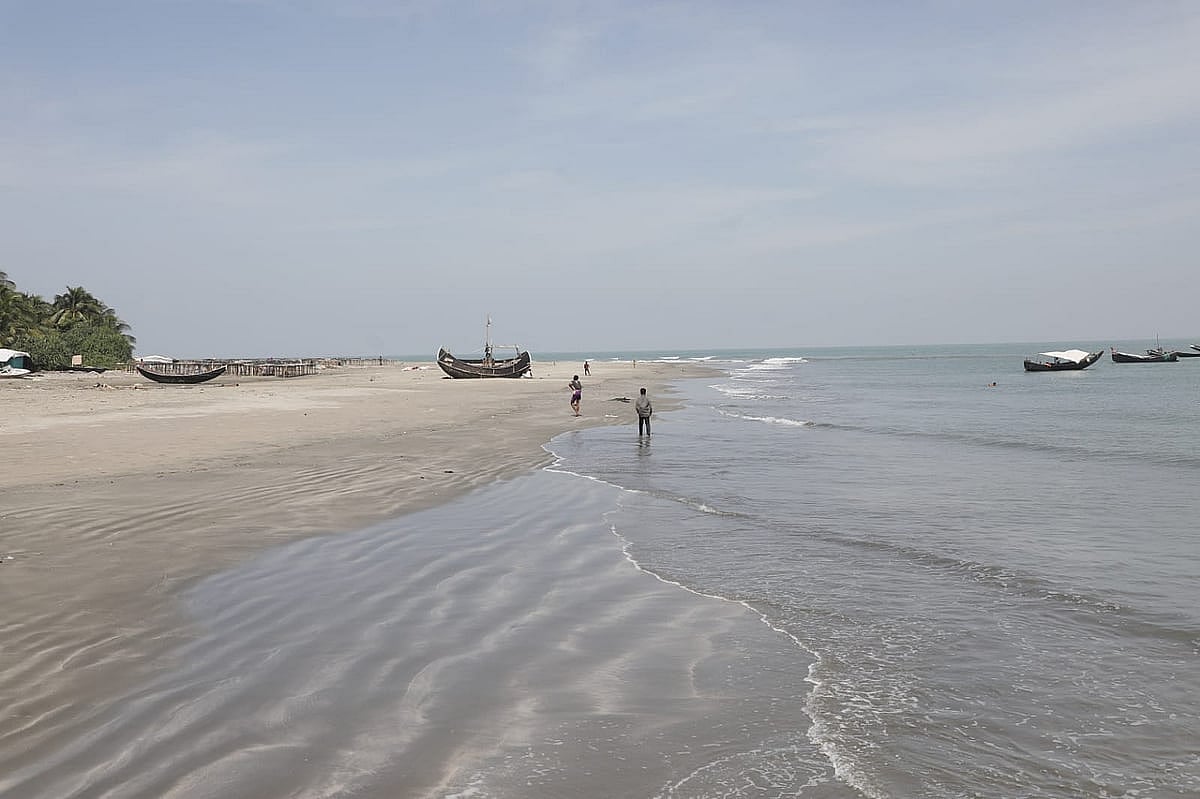
The popular coral island of Saint Martin is preparing to welcome visitors again as the government finalizes guidelines for the upcoming tourist season. According to a high-level inter-ministerial meeting held at the Ministry of Environment, Forest and Climate Change, tourist travel to the island will officially resume on November 1 and will continue through March 15. The restricted timeline and regulatory measures are aimed at preserving the fragile marine ecosystem and biodiversity of the island.
The crucial meeting, which took place on October 12, established the framework for tourist management on the island, and the decisions have since been communicated to all relevant stakeholders. Under the newly implemented regulations, a strict daily cap of 3,500 tourists has been imposed. This limitation is designed to prevent overcrowding and reduce the ecological footprint on the country's only coral-rich destination.

As part of the government's ongoing commitment to environmental conservation, every tourist visiting the island will be required to pay a mandatory environmental protection fee of 100 Taka. Authorities are currently outlining the registration and fee collection mechanism to ensure a smooth process. Furthermore, no water transport or vessels will be allowed to operate on the marine route without explicit clearance and approval from the environment ministry, ensuring strict oversight of water-bound traffic.
In recent years, the delicate ecosystem of Saint Martin's Island faced severe degradation due to unregulated tourist influx, single-use plastics, and unplanned commercial construction, which threatened its unique coral reefs and marine life. Responding to calls from environmentalists and scientific assessments, the authorities have progressively introduced stricter regulatory frameworks to safeguard the region. The latest measures mark a continued effort to balance tourism with ecological preservation.
Local tourism operators, hoteliers, and administration officials are currently coordinating to ensure that these guidelines are effectively enforced. It is anticipated that these structured regulations will not only protect the natural heritage of Saint Martin but also promote sustainable and responsible tourism among visitors in the seasons to come.