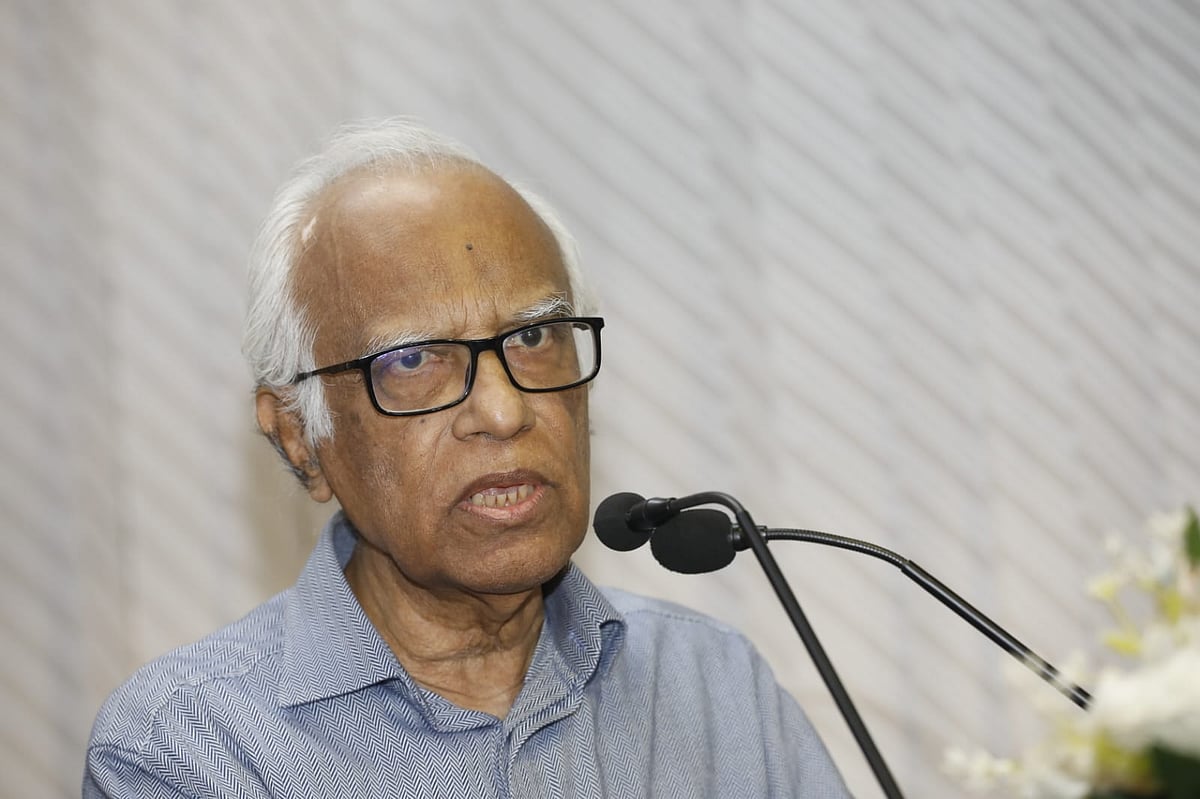
Eminent economist and former adviser for planning and education, Wahiduddin Mahmud, has asserted that the country's banking sector has suffered a grave transformation from a culture of loan defaults to an outright culture of bank looting. Speaking at the inaugural session of the two-day annual banking conference organized by the Bangladesh Institute of Bank Management (BIBM) in Mirpur, Dhaka, he detailed the systemic decay that has plagued the nation's financial institutions over the past decade.
Reflecting on his past experiences with banking sector reforms, Wahiduddin Mahmud noted that while strict regulations and compliance frameworks had previously reined in the chronic culture of loan defaults and elevated several private banks to international standards, a far more destructive phenomenon took root after 2010. He described how this new era bypassed all established regulatory mechanisms, resulting in the direct and unchecked plundering of public deposits from commercial banks.

Highlighting the human cost of these financial irregularities, the former adviser pointed out the tragic plight of teachers whose provident, welfare, and pension funds were utilized to establish banks that subsequently went bankrupt. Consequently, the hard-earned savings and pensions of impoverished and MPO-enlisted teachers remain trapped to this day, depriving them of their financial security during retirement.
Emphasizing the need to learn from historical missteps, Mahmud cautioned against repeating past errors, particularly the expansion of private banking without establishing robust and independent regulatory frameworks. He argued that the accumulated experience of decades of banking operations must serve as a strict guideline to prevent further instability and restore discipline to the national economy.
Analysts believe that these observations underscore the urgent need for structural reforms, transparency, and stringent accountability within Bangladesh's financial sector. Restoring public confidence requires addressing historical wrongdoings and insulating banking institutions from politically motivated interference and embezzlement.