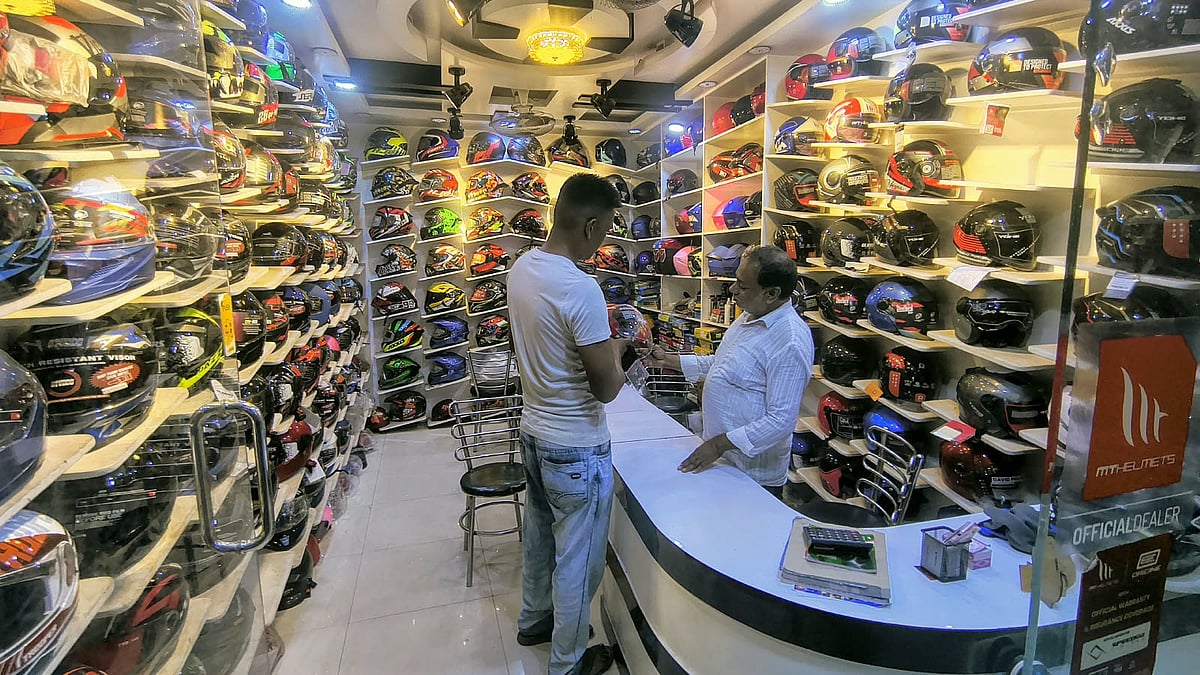
The import of motorcycle helmets from India through the Benapole land port has rebounded strongly, overcoming a prolonged five-month period of stagnation caused by regulatory complexities. Importers faced severe setbacks between April and August due to testing complications introduced by the Bangladesh Standards and Testing Institution, which left thousands of shipments stranded at the border. However, with the resolution of these testing issues, imports surged significantly in September, bringing in nearly 92,000 helmets in a single month and restoring vitality to the local market.
According to data from the Benapole Customs House, only 82,000 helmets were imported during the five-month period from April to August, a dramatic drop compared to over 250,000 imports during the same timeframe the previous year. The administrative gridlock resulted in roughly 25,000 helmets belonging to seven importing firms being stuck at the port facility. The impasse began to clear once authorities reverted to accepting Indian testing standards for the shipments, enabling the clearance of delayed goods and reactivating supply chains.

Industry insiders note that Bangladesh's annual motorcycle helmet market is valued at approximately one thousand crore taka. Roughly 80 percent of this massive market relies on imports from India, while the remaining 20 percent originates from China. The sudden supply disruption severely impacted nationwide availability and concerned regional traders in Jessore and Benapole. With the testing bottlenecks now removed, businesses are regaining their operational momentum and fulfilling consumer demand.
The regulatory friction originally began when testing protocols were shifted to European standards from the previously practiced Indian benchmarks, catching importers off guard and halting shipments from neighboring sources. This sudden policy transition created logistical hurdles that took months to navigate. Local regulatory officials coordinated with stakeholders to streamline the inspection process, paving the way for the recent surge in import volumes.
Traders and industry representatives remain optimistic that supply channels will remain unobstructed moving forward, ensuring steady market growth and stable pricing for consumers. Port and customs authorities have also streamlined processing procedures to prevent future backlogs, reinforcing a stable trade environment for automotive accessories between the two neighboring nations.