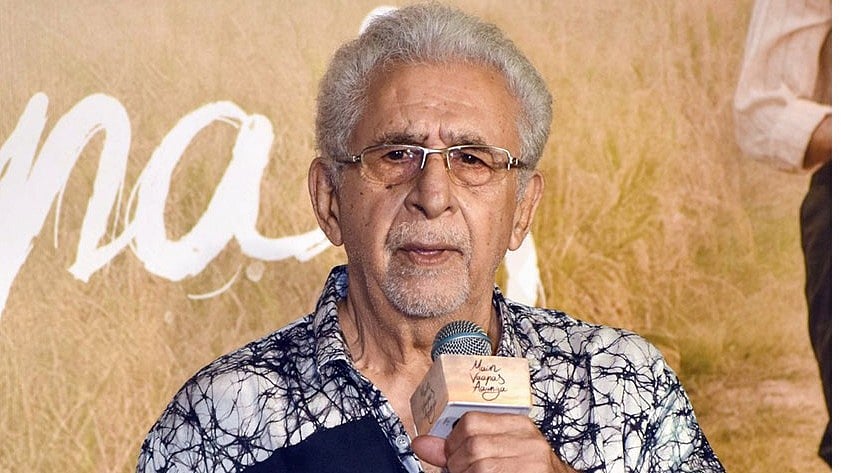
Veteran Bollywood actor Naseeruddin Shah has publicly extended his support to the students of the Satyajit Ray Film and Television Institute (SRFTI) in Kolkata, who have been protesting since October 12. The students are demanding accountability for recent incidents of violence on campus and have called for the resignation of the institute's director, Santosh Ajmera, citing a lack of security and administrative failure.
In a video message released on October 24, Shah launched a scathing critique of the ruling Bharatiya Janata Party (BJP). He alleged that the party has adopted a vindictive stance against anyone who does not align with its ideology, particularly following the political developments in West Bengal. Shah argued that the current administration is systematically targeting those who dare to dissent, using the state machinery to suppress voices that challenge their narrative.

Shah highlighted the plight of the aspiring filmmakers at SRFTI, noting that instead of addressing their legitimate grievances, the administration has resorted to intimidation tactics. He claimed that students are being issued show-cause notices, placed under surveillance, and even threatened with eviction from their hostels. According to the actor, these actions are part of a broader attempt to instill fear in the minds of future filmmakers and stifle their creative freedom.
The actor emphasized that the struggle of the SRFTI students is a reflection of the broader challenges facing democratic expression in the country. He characterized the pressure exerted on the students as a manifestation of the BJP's narrow political agenda, which seeks to silence opposition through coercion rather than dialogue. His intervention has brought national attention to the ongoing crisis at the prestigious film institute.
As the standoff between the students and the administration continues, the support from a figure of Shah's stature has provided a significant boost to the protesters' morale. The situation remains tense, with the academic community and civil society watching closely to see whether the authorities will address the students' demands or continue with their current approach of confrontation and suppression.