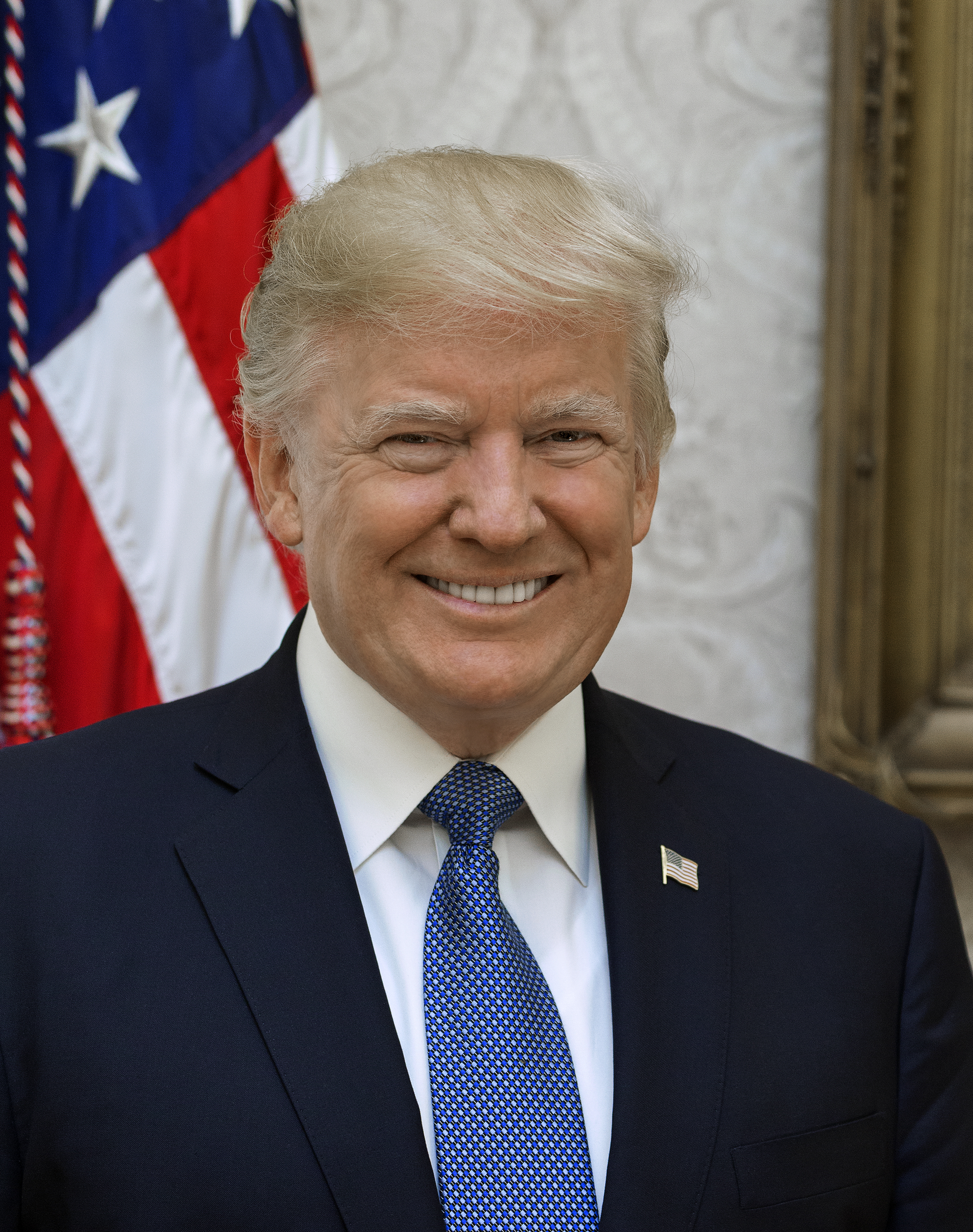
In a statement stirring fresh political discourse, United States President Donald Trump asserted that Israeli Prime Minister Benjamin Netanyahu managed to evade certain defeat in the recent parliamentary elections strictly due to his staunch public endorsement. Trump's remarks have added a new layer to the complex geopolitical dynamics between Washington and Tel Aviv, underscoring the deep personal and political alignment between the two leaders.
Exit polls and initial projections from the elections for the Israeli parliament, the Knesset, revealed that no single political party or coalition successfully secured an outright majority. To form a government in the 120-seat Knesset, any political bloc must attain a minimum threshold of 61 seats. Although Prime Minister Benjamin Netanyahu's right-wing bloc, anchored by the Likud party, performed relatively strongly, it ultimately fell short of this required magic number.

According to preliminary electoral data, Netanyahu's right-wing alliance secured 56 seats. In contrast, the opposition alliance spearheaded by former military chief Gadi Eisencot captured 48 seats, while the Arab List coalition claimed 16 seats. This fractured electoral outcome has effectively resulted in a hung parliament, paving the way for potential political instability and protracted coalition negotiations in the days ahead.
Because no faction achieved a unilateral mandate, Israel now faces weeks or even months of intense backroom negotiations and political horse-trading among various factions to cobble together a viable governing coalition. Historically, such hung parliaments in Israel have frequently prolonged government formation processes, requiring delicate compromises to achieve political stability. Analysts note that the current regional security environment will make these coalition talks even more intricate.
Taking to his social media platform Truth Social, Donald Trump emphasized that these developments unfolded directly in the wake of his presidential backing, portraying himself as a leader who consistently champions the best interests of the Middle East, Israel, and the United States. Prior to the vote, Trump had openly thrown his weight behind Netanyahu, a move that political observers believe heavily influenced conservative Israeli voters.
As Netanyahu navigates the aftermath of the inconclusive vote, he will likely be forced to forge alliances with smaller factions or engage in difficult power-sharing discussions to preserve his premiership. The long-term implications of Trump's endorsement and the unfolding coalition saga in Jerusalem are expected to cast a significant shadow over regional diplomacy and international alliances in the near future.