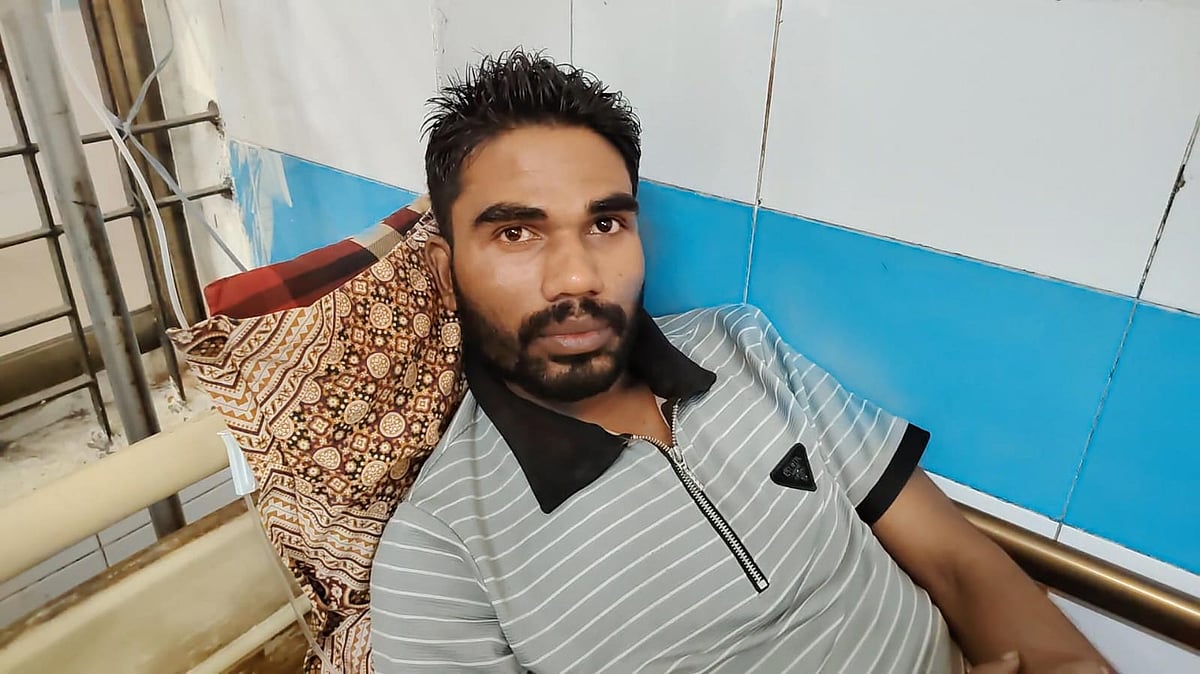
The dengue situation in the northern border district of Chapainawabganj is showing a steady deterioration, with a noticeable rise in the number of patients being admitted to local hospitals and healthcare facilities. Favorable weather conditions and stagnant water have led to a sharp increase in the Aedes mosquito population, heightening the risk of infection for residents across the region.
Despite ongoing awareness campaigns and urgent appeals from health officials, a concerning reluctance persists among the general public regarding the use of mosquito nets. Medical professionals emphasize that sleeping under mosquito nets, both day and night, is one of the most effective preventive measures against Aedes mosquito bites. However, widespread apathy towards this basic precaution continues to undermine vector-control efforts and accelerates viral transmission.

Hospital records indicate that many of the patients currently undergoing treatment contracted the virus due to negligence in adhering to personal protection measures. Children and the elderly remain particularly vulnerable to severe complications if the infection goes undetected or untreated in its early stages. Local physicians warn that failing to seek prompt medical attention can lead to critical health emergencies, including dengue shock syndrome.
Although municipal authorities have initiated localized mosquito-control drives, residents argue that anti-larval operations and fogging activities are insufficient to curb the growing menace. Clogged drains and uncleaned surroundings continue to serve as breeding grounds for the disease-carrying vectors. Public health advocates stress that community-led initiatives are vital alongside official measures to tackle the crisis effectively.
Experts reiterate that public awareness and behavioural change are paramount in controlling the outbreak. Families must take proactive steps to maintain clean surroundings, eliminate stagnant water sources, and strictly adopt the habit of using mosquito nets. Without a collective commitment to preventive hygiene, Chapainawabganj risks facing a prolonged and severe public health challenge.