Israeli Prime Minister Benjamin Netanyahu faces a critical political test as citizens head to the polls for the Knesset elections. The outcome will determine whether the veteran right-wing leader can maintain his grip on power or if he will be unseated amid deep national divisions. Ever since the October 7, 2023 attacks by Hamas, Netanyahu has anchored his governance on relentless military campaigns in Gaza, subsequently expanding hostilities to include direct confrontations with Iran alongside strategic Western allies. These dual conflicts have isolated Israel internationally while drawing fierce domestic criticism, yet Netanyahu has leveraged the state of war to project himself as an indispensable wartime leader.
Having governed Israel for over two decades across multiple tenures, Netanyahu has consistently relied on nationalist rhetoric and coalition politics to navigate the country's fractured political landscape. This election marks the first parliamentary vote since the outbreak of the multi-front wars, placing unprecedented pressure on his administration. Prominent political analysts from major research institutes suggest that regardless of the election outcome, securing a decisive single-party majority remains highly unlikely. The proportional representation system dictates that coalition-building will be necessary, a domain where Netanyahu has historically demonstrated tactical resilience.

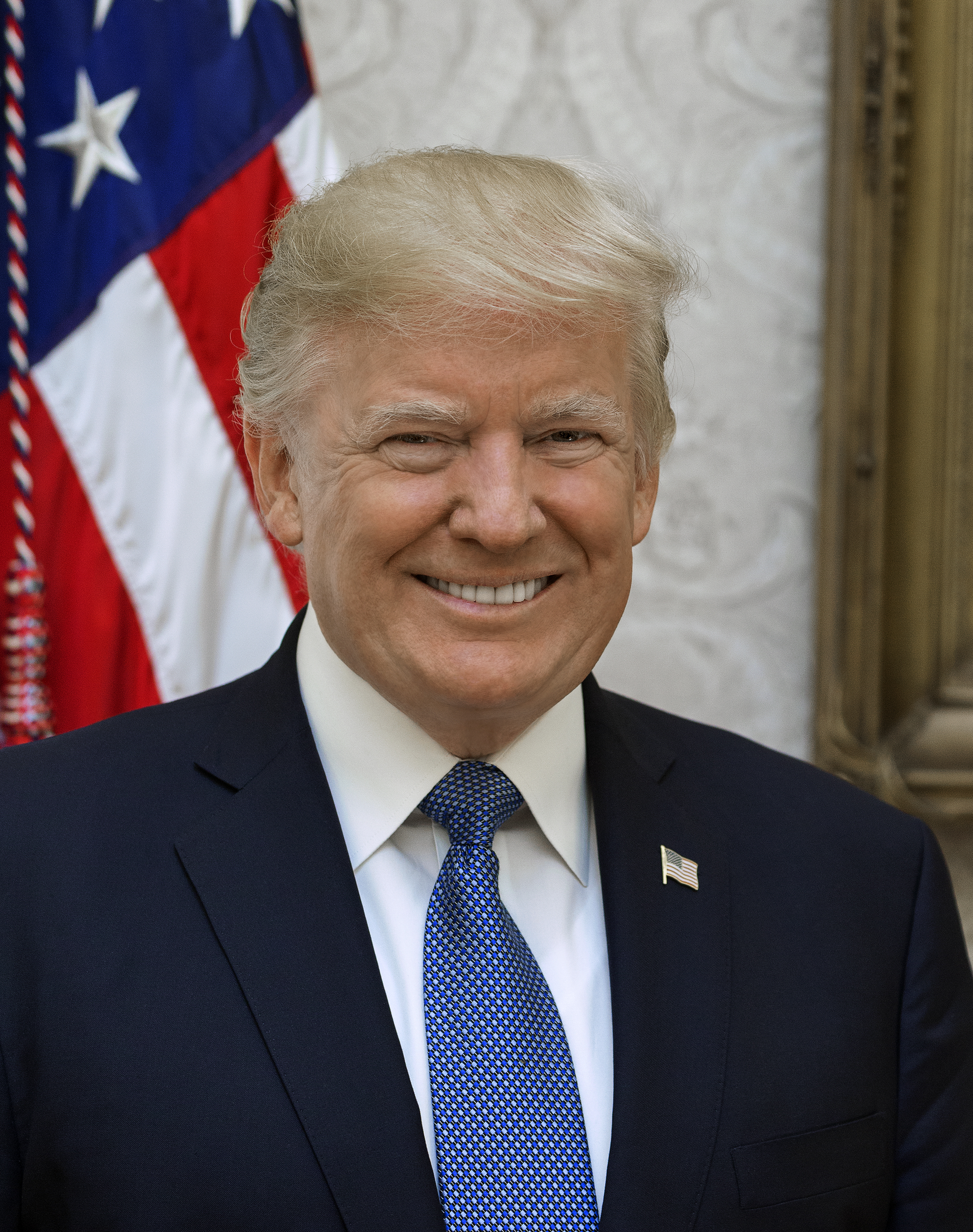
Recent pre-election polling indicates that Netanyahu and his ruling Likud party are facing an uphill battle, with a deeply polarized electorate weighing the costs of prolonged military engagement against national security concerns. While opposition factions capitalize on fatigue from continuous warfare and economic strains, Netanyahu continues to frame his leadership as vital for national survival. A cornerstone of his survival strategy involves leveraging robust international backing, particularly his alignment with high-profile American political figures like Donald Trump, to rally his conservative base and project strength to the Israeli public.
The implications of this election extend far beyond domestic politics, holding profound consequences for the trajectory of the Middle East conflict. A narrow victory for Netanyahu could ensure the continuation of his current military and geopolitical strategies in Gaza and beyond. Conversely, a defeat could usher in a new political era in Israel, potentially altering its foreign policy stance and approach to regional peace negotiations. As ballots are cast, the nation stands at a crucial crossroads, awaiting a verdict that will shape its future for years to come.