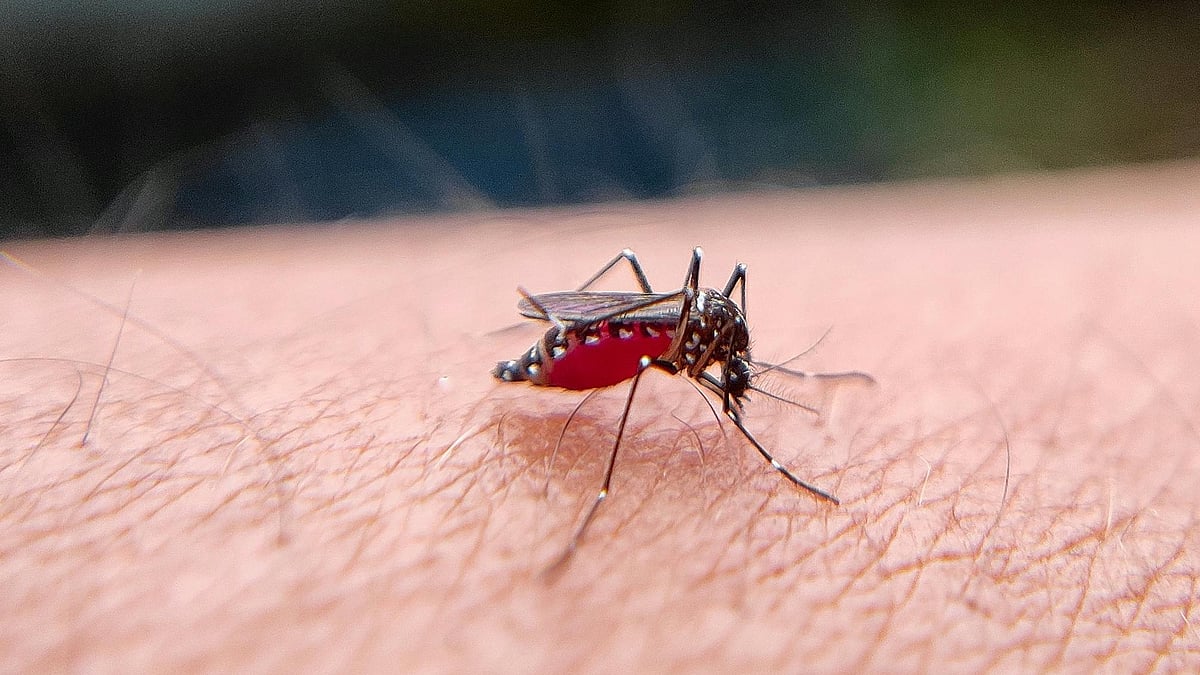
The subtle, irritating buzz of a mosquito near one's ear during a quiet night is a universally familiar annoyance. Despite being tiny enough to be crushed between two fingers, the mosquito holds the grim title of the world's deadliest creature. When comparing mortality statistics caused by fearsome predators such as sharks, crocodiles, tigers, and venomous snakes, this small insect surpasses them all by a wide margin. Far more human lives are claimed annually due to mosquitoes than by all large wild predators combined. However, the danger does not lie in a direct attack, but rather in the lethal pathogens and disease-causing micro-organisms that mosquitoes silently carry and transmit.
According to global health and scientific statistics, approximately 750,000 people lose their lives every year worldwide due to mosquito-borne diseases. Unlike a tiger's physical strength, a snake's deadly venom, or a crocodile's razor-sharp jaws, the mosquito possesses none of these overt physical traits, and its weapons are virtually invisible to the naked eye. Yet, their silent ability to spread fatal infections gives them unmatched lethality. Diseases such as malaria, dengue fever, chikungunya, and the Zika virus assume epidemic proportions globally each year, with mosquitoes serving as the primary vectors.

The behavioral patterns of mosquitoes and the biological reasons behind their blood-feeding habits are quite specific. Interestingly, not all mosquitoes bite humans; only female mosquitoes require blood meals. Male mosquitoes typically feed on flower nectar and other plant-based sources to sustain themselves. While female mosquitoes can also consume nectar, they require the protein and vital nutrients found in blood for the maturation of their eggs. It is in pursuit of this essential nutrition for reproduction that they target human hosts.
When feeding, the female mosquito inserts its extremely slender, needle-like mouthpart into the skin of the victim. This specialized anatomical structure is known as the proboscis, through which the mosquito efficiently draws blood. A single female mosquito is capable of consuming two to three times its own body weight in blood during a single feeding session. While extracting blood, the insect secretes a specialized saliva that prevents blood coagulation. It is precisely through this saliva that dangerous pathogens are transferred directly into the human bloodstream, subsequently triggering severe illnesses.
Public health experts worldwide continuously conduct awareness campaigns to combat mosquito infestations and the diseases they cause. Eradicating breeding grounds, clearing stagnant water, and utilizing bed nets or repellents are critical measures to curb their spread. With climate change and global warming contributing to expanded habitats for mosquitoes in various regions, enhancing vector control and promoting public awareness have become more crucial than ever before to safeguard global public health.