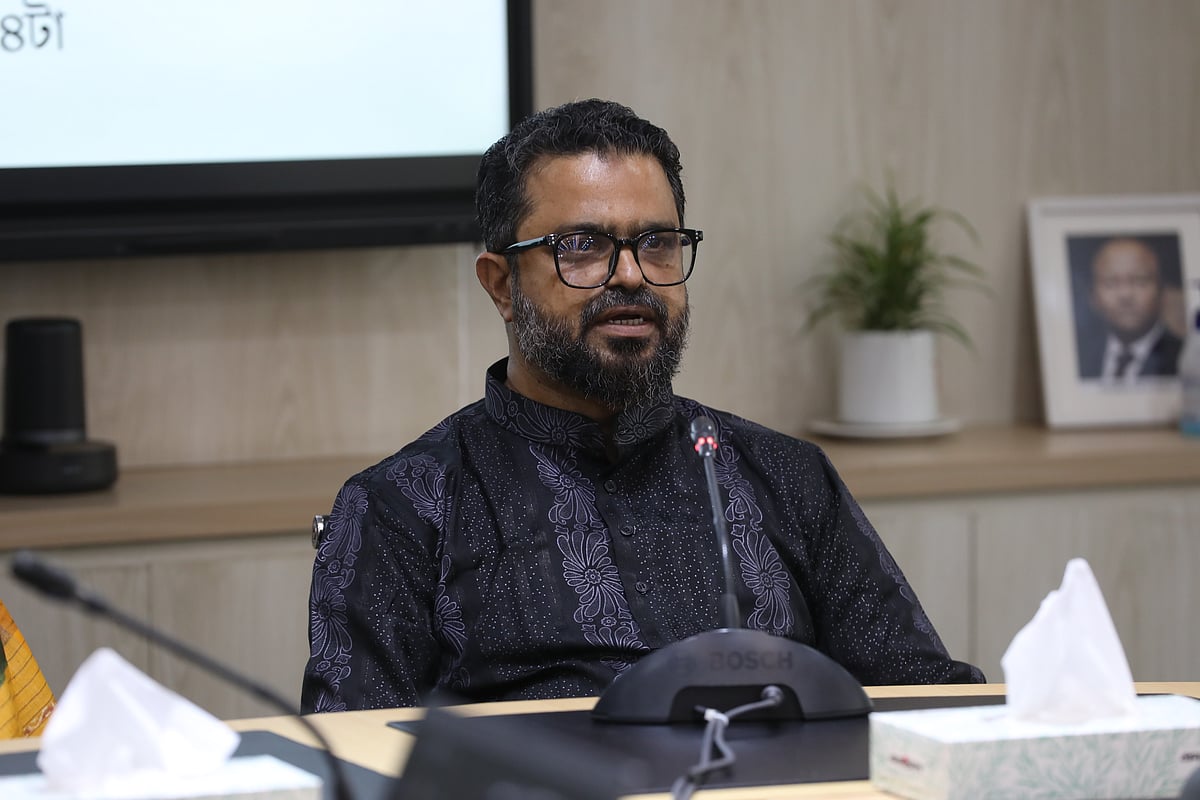
Mental health experts have underscored the critical need for parents to actively listen to and understand their children to bridge emotional gaps and protect them from falling into harmful behaviors such as drug addiction. During a recent specialized mental health guidance session in the capital, leading psychiatrists discussed the psychological challenges faced by adolescents and teenagers, particularly the growing emotional distance between parents and their offspring.
Experts pointed out that during puberty and adolescence, young individuals experience complex emotional and psychological transformations. During this vulnerable phase, the family home must serve as their primary and safest sanctuary. However, when children feel that their family members are unwilling to listen to their concerns, they often become emotionally isolated. This profound loneliness frequently drives them toward external negative influences and harmful pathways, increasing the risk of substance abuse and other social detriments.

The discussions highlighted that effective parenting requires moving beyond mere scolding or constant lecturing. Instead, parents must cultivate a culture of listening attentively. Experts noted that children often do not seek immediate solutions or advice; rather, they simply want someone to hear their thoughts and emotional distress without judgment. When parents fail to understand this psychological need, the communication gap widens significantly.
Without an open environment for dialogue at home, children tend to withdraw or seek validation from inappropriate sources. Conversely, if proper guidance and emotional support are provided within the household, many complex problems can be resolved internally. Psychologists believe that understanding a child's inner language enhances their mental resilience and shields them from confusing or dangerous situations.
Such counseling initiatives play a vital role in raising societal awareness about youth mental health. Organizers and experts alike emphasized the continuation of family-centric psychological support programs. Ultimately, nurturing a healthy society begins within the household, where parental awareness and empathetic communication remain the most powerful tools for child development.