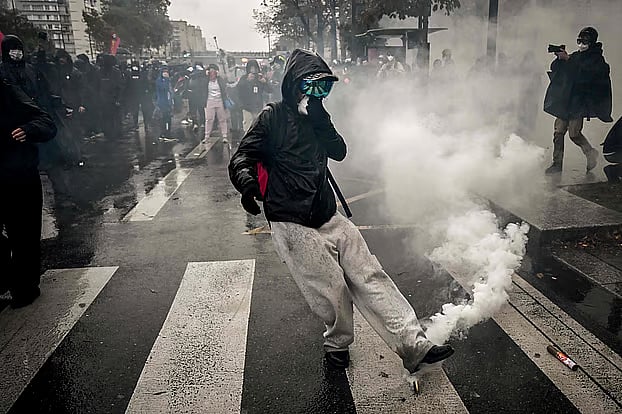
From France to Italy, Spain to Serbia, and Portugal to Greece, a large part of Europe is currently gripped by intense youth and student demonstrations. At the epicenter of these turbulent street protests are members of Generation Z. Driven by grievances ranging from inadequate education systems and skyrocketing housing costs to soaring living expenses, young Europeans have taken to the streets in unprecedented numbers. These widespread waves of frustration are posing significant political and social challenges to governments across the continent.
While the specific triggers vary from country to country, the root causes of the unrest are deeply intertwined with economic inequality and declining living standards. In Spain, the protests were initially sparked by a poignant incident involving the eviction of an 87-year-old elderly woman from her home. This single event brought the country's severe housing crisis and relentless rent increases into sharp focus, mobilizing the younger generation to demand immediate and sweeping housing policy reforms.

In France, students spearheaded the movement against deteriorating school infrastructures, severe teacher shortages, escalating living costs, and government austerity measures. What began as peaceful student demonstrations supporting teachers' unions quickly escalated into broader clashes, resulting in widespread transport disruptions, confrontations with law enforcement, and numerous arrests across major French cities.
Meanwhile, in Albania, students have been staging rolling protests for months against controversial real estate and luxury development plans. The youth have voiced strong opposition to projects that threaten public spaces and historical heritage without addressing the pressing needs of the general population. Similar sentiments of economic anxiety, youth unemployment, and institutional frustration have energized protesters in Greece and Serbia as well.
Analysts note that the current wave of Gen-Z protests across Europe reflects a deep generational divide and a profound lack of confidence in traditional economic models. As young people face an uncertain future marked by economic instability, their collective voice is demanding structural reforms rather than temporary fixes. Governments across the region now face the delicate task of balancing public order with addressing the legitimate grievances of a generation that feels increasingly left behind.