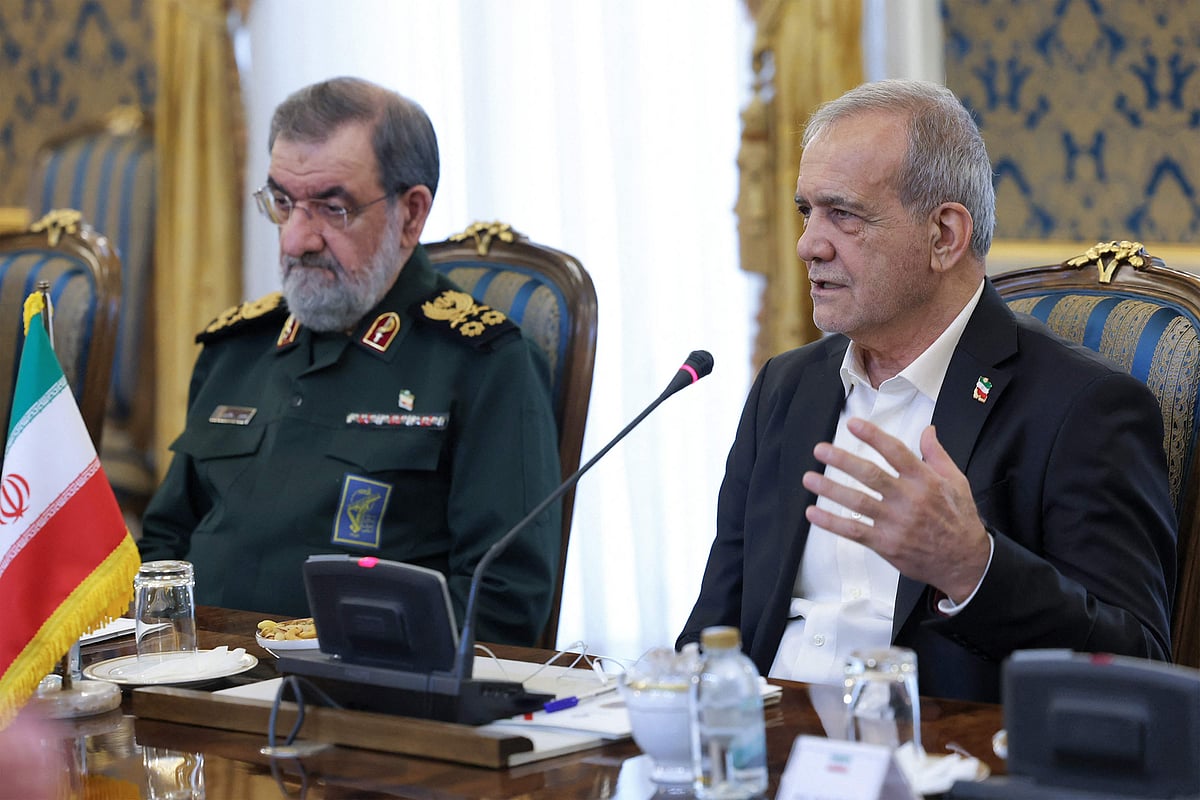
Amid ongoing military hostilities and escalating threats from the United States and Israel, Iran is currently grappling with a severe internal power struggle over its political and strategic direction. On one side of this domestic divide are President Masoud Pezeshkian and his moderate administration, advocating for diplomatic engagement and policy pragmatism. On the other side stands the influential hardline coalition known as the Paydari Front, or the Front of Islamic Revolutionary Stability, which fiercely opposes any diplomatic outreach toward Washington.
The friction between the two factions reached a critical juncture recently when the hardline bloc formally urged the Iranian parliament and the Supreme National Security Council to initiate procedures for withdrawing the country from the Non-Proliferation Treaty (NPT). Analysts view this aggressive demand as an implicit push toward acquiring nuclear capabilities, with hardliners insisting that such military and strategic measures must be expedited immediately to counter foreign pressure.

This uncompromising stance represents the latest in a series of escalations by Iranian hardliners against the executive branch. Ever since the United States and Israel launched joint military operations against Iran on February 28, citing alleged covert nuclear weapons development, the domestic political landscape has grown increasingly fractured. Rather than consolidating national unity during wartime, hardline factions have intensified their political attacks, threatening the stability of the central government.
Beyond targeting President Pezeshkian, the hardliners have also trained their sights on Foreign Minister Abbas Araghchi and other moderate members of the cabinet, demanding their impeachment. The hardline camp accuses the diplomatic leadership of showing excessive flexibility toward Western adversaries, arguing that such an approach undermines the core principles of the Islamic Revolution. This intense domestic pressure severely complicates the administration's ability to navigate complex international negotiations during a period of national crisis.
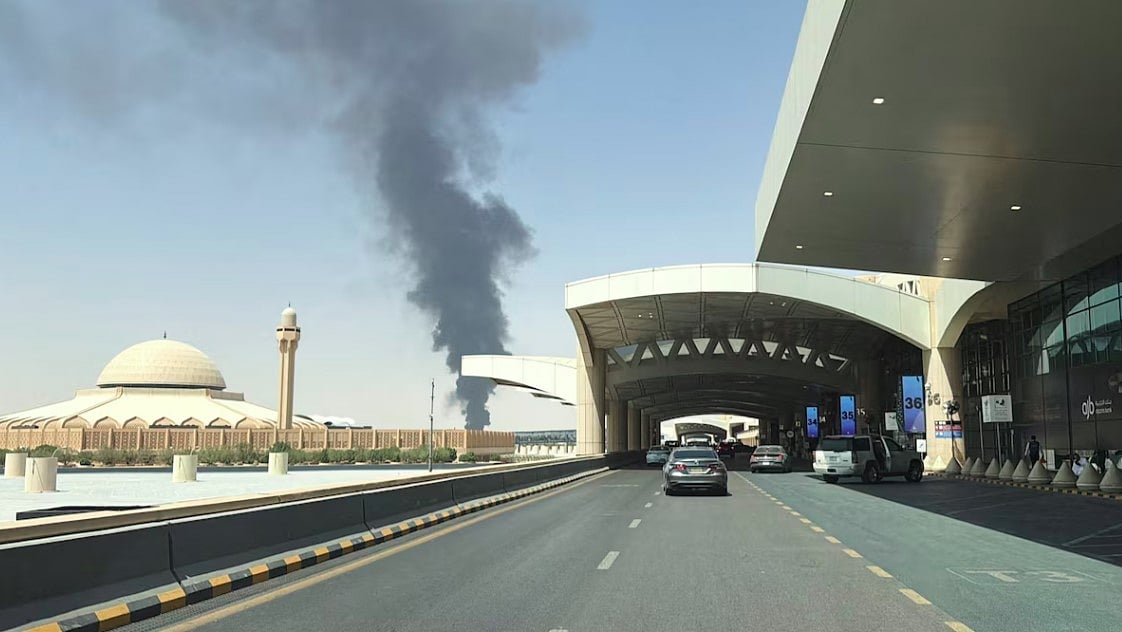
The geopolitical fallout from the ongoing conflict has already crippled critical infrastructure and economic arteries within the region. Shipping through the strategic Strait of Hormuz has been severely disrupted due to active hostilities, while successive missile and airstrikes have heavily damaged regional infrastructure. These disruptions have sent shockwaves through global energy markets, threatening worldwide fuel supplies and exacerbating economic uncertainties.
As President Pezeshkian's government struggles to manage both external military aggression and internal political sabotage, the outcome of this domestic power struggle remains highly uncertain. The decisions made in Tehran in the coming weeks will not only dictate the trajectory of Iranian domestic politics but will also have profound implications for security and stability across the entire Middle East.