

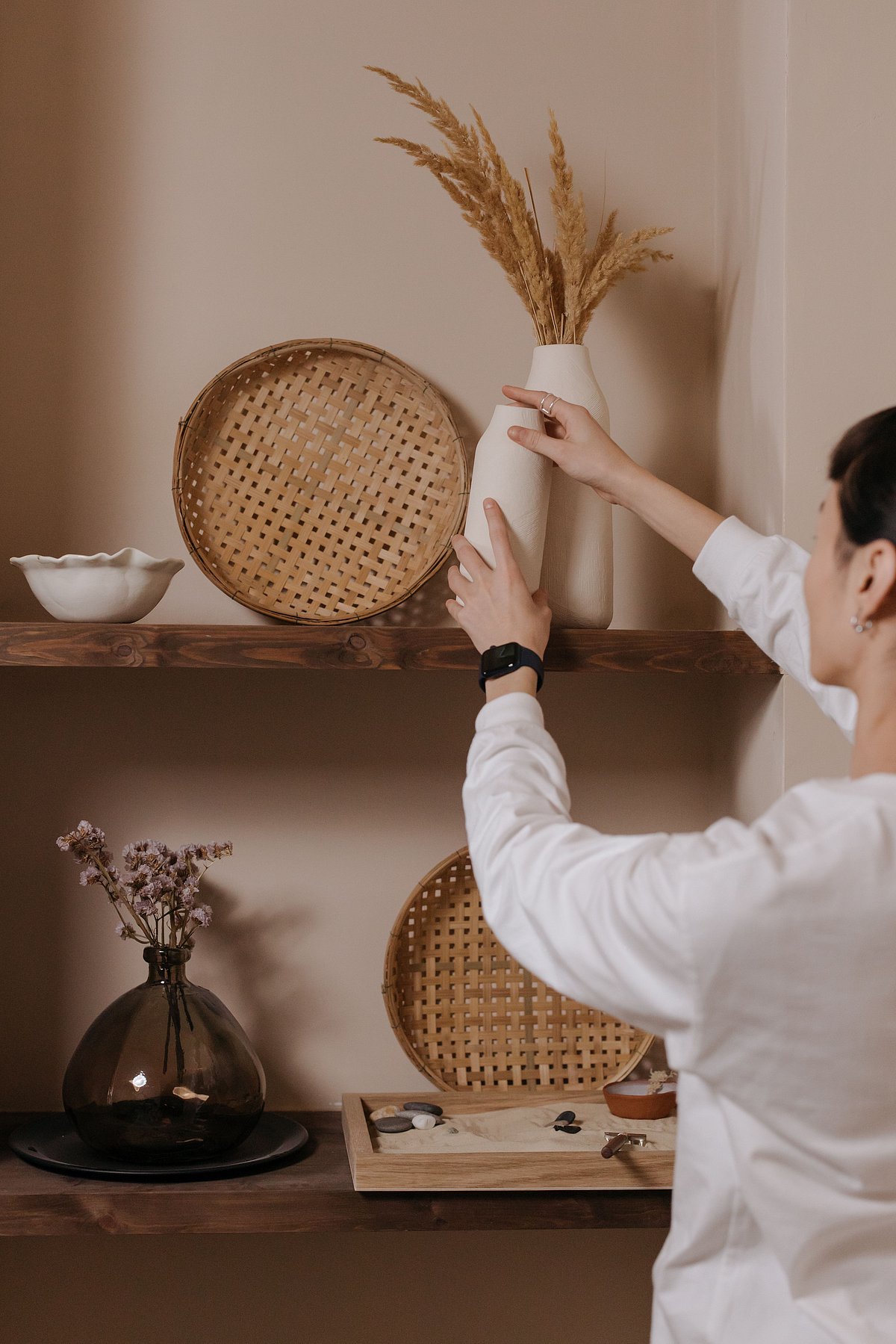
Keeping everything in its exact place, ensuring not a single item is left out of place on a table, and tidying up everything at the end of the day—this is traditionally what a neat home looks like. However, in our busy lives, is it really necessary to keep a home impeccably organized at all times? Research suggests that a bit of messiness can actually make a home environment more user-friendly.
While the philosophy of Marie Kondo, the renowned Japanese organizing expert, places immense importance on a pristine and orderly home, researchers argue that strictly arranging every single item does not necessarily make life easier. A study conducted on 22 families in New Zealand revealed that a somewhat cluttered home environment can streamline daily household routines. Furthermore, this clutter is often intertwined with the relationships and habits of family members.

Living spaces are rarely restricted to a single function at all times. Living rooms double as children's play areas, corners of bedrooms serve as makeshift study desks, and dining tables are frequently used for working preparations. Consequently, the accumulation of essential items in these zones is entirely natural.
One couple participating in the study shared that during the day, their dining table serves as a convenient drop-zone for bags, water bottles, and various personal belongings. In the evening, they simply clear those items away to use the table for dining. Another participant noted that keeping necessary items in plain sight on a kitchen shelf ensures they never forget to take them along when heading out.
Although these arrangements might look disorganized at first glance, they actively support daily efficiency. Stash-and-hide approaches aimed solely at making a home look immaculate can actually lead to frustration when trying to locate essential items in a hurry. Ultimately, spaces like kitchen counters and dining tables successfully bridge the gap between utilitarian workspaces and family hubs.

