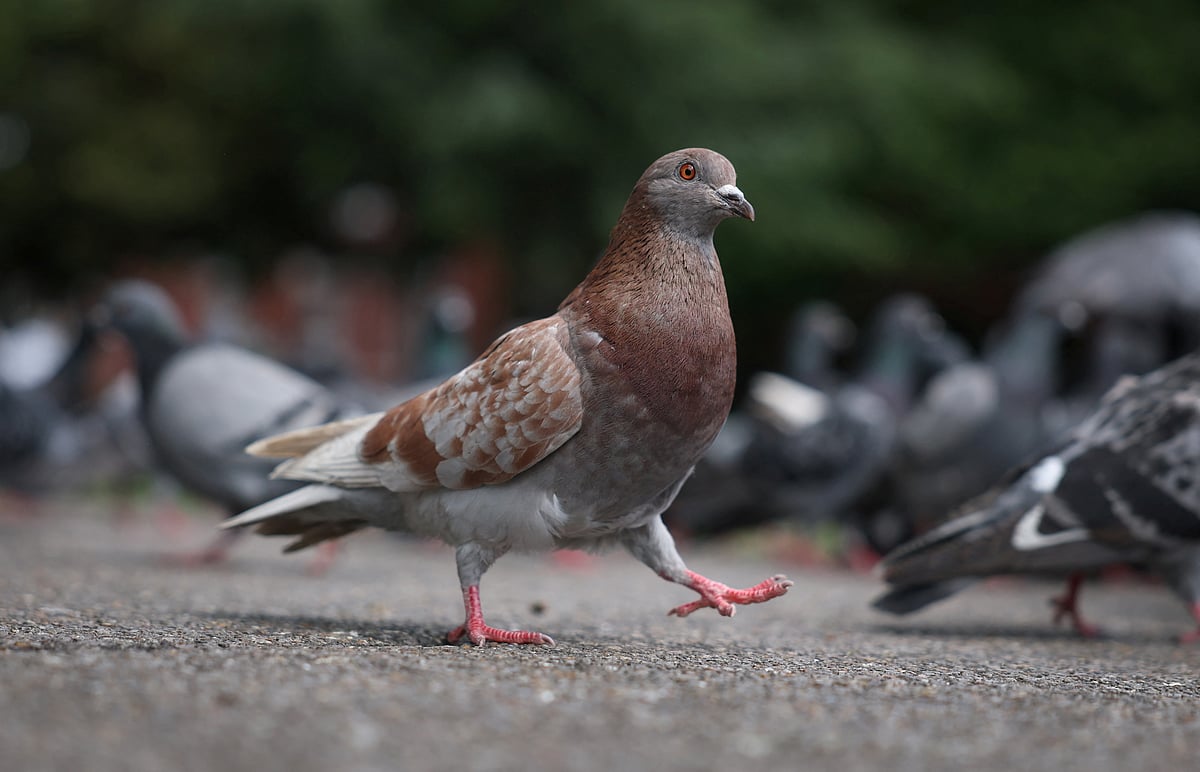
Childhood memories often shape our perspective on life, leaving indelible marks on our minds. A student from Central Women's College recently shared a poignant childhood memory that beautifully illustrates the true essence of freedom for birds and animals. Since early childhood, the author had a deep fascination for keeping pigeons, though her mother always discouraged it. Her mother believed that birds are not meant to be caged, and their true beauty is best witnessed when they soar freely across the blue sky.
Eventually, an uncle gifted her a pigeon, bringing immense joy to her young heart. While playing with the bird, an accident occurred due to inattention. Chasing the pigeon near the stairs, she tripped, severely injuring her forehead, which bled profusely and caused her to lose consciousness. Upon regaining consciousness, she found the bird resting near her lap, its white feathers stained red with her blood. This heart-wrenching sight left a profound and painful impact on her tender mind.

The very next day, after recovering, she decided not to keep the pigeon confined any longer. With her own hands, she released the bird into the open sky. That day, she truly understood the profound meaning behind her mother's words. She realized that a bird's beauty lies not in captivity, but in its absolute freedom, and that her attempt to cage the bird had perhaps triggered the unfortunate accident.
From that day onward, whenever she encounters birds, a strong realization takes over her mind—that allowing them to fly freely in the open sky is far better than keeping them imprisoned. Such a compassionate perspective toward nature and wildlife helps nurture sensitivity in human minds. The core message of liberating caged birds and respecting their natural habitat is artfully conveyed through this narrative.
Even in today's mechanized and artificial era, these simple lessons from nature offer profound insights. Whether dealing with wildlife or domestic pets, every living creature has an inherent right to live in freedom. The author's nostalgic reflection is not merely a personal anecdote, but a powerful ethical reminder advocating for the freedom of all living beings, prompting readers to rethink their relationship with nature.