The glorious era when Brazilian footballers dominated the Ballon d'Or stage seems like a distant memory today. Icons like Ronaldo Nazario, Rivaldo, Ronaldinho, and Kaka once mesmerised the entire globe with their mesmerizing footwork and magical displays, regularly capturing world football’s most prestigious individual accolade. However, the recent star-studded gala at London’s Palladium Theatre served as a stark reminder of how much the landscape has shifted, with Brazilian presence reduced largely to symbolic appearances through legends rather than active contenders on the podium.
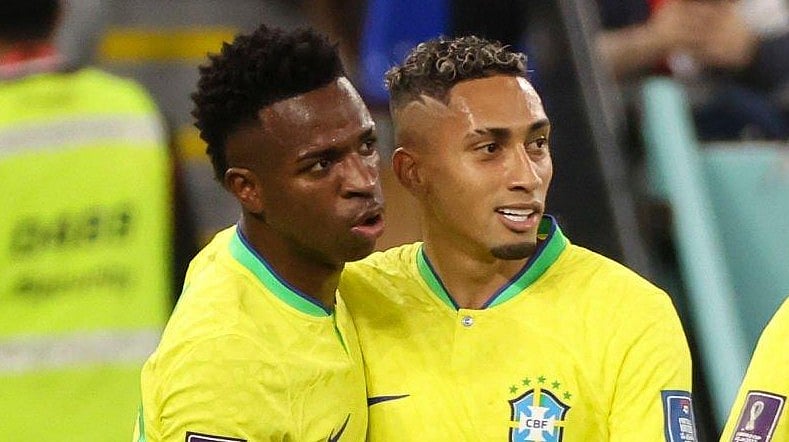
Back in April, Brazilian World Cup winner Romario made a prophetic remark in a French media interview, stating that it would be extremely difficult for a modern Brazilian player to win the Ballon d'Or. While many initially dismissed his assessment as hyperbole—especially given that names like Vinicius Junior, Gabriel Magalhaes, and Marquinhos made the initial 30-player shortlist—the eventual outcome proved his foresight. Vinicius Junior, who was considered by many as a leading favourite for the award just months prior, finished outside the top ten in 17th place.

The absence of top-tier Brazilian representation extended across categories, with no Brazilian players making the top ten in the women's Ballon d'Or rankings, nor featuring prominently in the best young player categories. Only the presence of Brazilian women's goalkeeper Lorena in her respective category prevented a complete shutout across goalkeeping awards. This widespread decline reflects deeper structural issues within Brazilian football, ranging from inconsistencies at the club level to the immense pressure of living up to the unreachable legacy of past generations.
Football analysts point out that while Brazil continues to produce exceptional individual talents who star for top European clubs, the lack of sustained dominance and collective success with the national team severely hampers their chances in award votings. To reclaim their lost supremacy on the global individual stage, Brazilian football must overhaul its grassroots development, tactical education, and psychological preparedness. Until then, the golden ball of the Ballon d'Or will remain elusive, leaving fans longing for the return of Brazilian mastery to world football's absolute pinnacle.