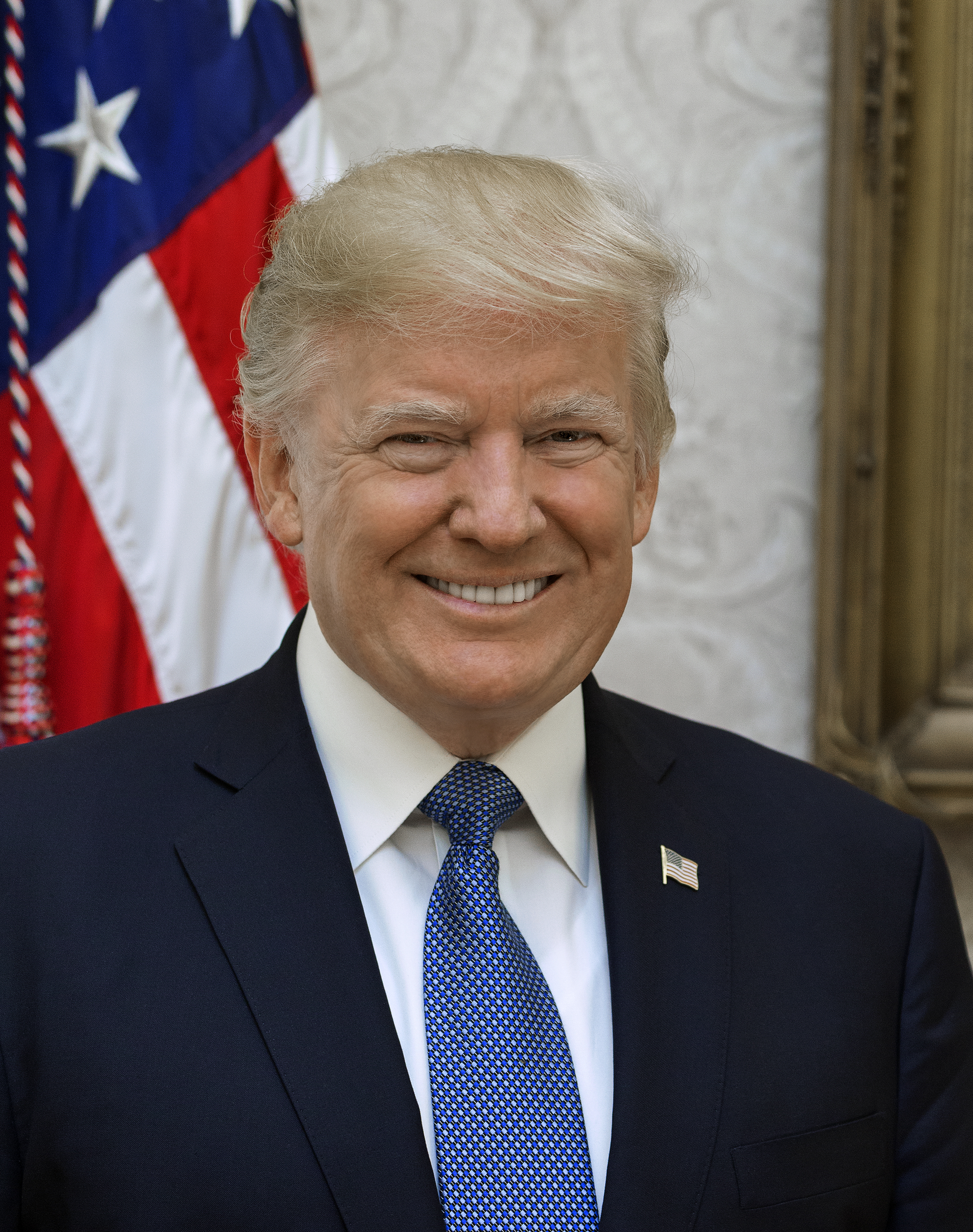
US President Donald Trump launched a sharp and controversial attack on Norway during a campaign rally in Port Huron, Michigan, ahead of the upcoming midterm elections on November 3. Venting his frustration over not being awarded the Nobel Peace Prize, Trump claimed that the prestigious award rightfully belonged to him. Consequently, he declared that Norwegian immigrants would no longer be welcomed in the United States, expressing deep resentment toward the Scandinavian nation.
During his address, Trump discussed broader immigration issues and blamed lax migration policies for ongoing unrest in France and other parts of Europe. Shifting his focus to Norway, he asserted that because he was denied the Nobel Peace Prize, his administration would bar immigrants hailing from the Nordic country. Trump went as far as labeling Norway as a country that has turned into a terrible place, echoing similar derogatory language he previously used against nations like Haiti, Libya, Somalia, and Yemen. Political observers note, however, that Trump's remarks did not signal any immediate or formal policy shift regarding US immigration.

The Norwegian Nobel Committee, which is responsible for awarding the annual peace prize, has its headquarters in Oslo. Although the committee operates independently from the Norwegian government, Trump's remarks directly conflated the two. In response to the US president's tirade, Norway's Foreign Minister Espen Barth Eide told the national broadcaster NRK that Trump is well aware that the Nobel Committee is an independent institution. The foreign ministry declined to make any further official statements on the matter.
Foreign policy experts suggest that Trump's rhetoric is primarily designed to energize his political base ahead of crucial electoral battles. While past remarks of a similar nature have drawn global criticism, they often serve as a staple of his populist campaign style. Nonetheless, using diplomatic platforms to air grievances over a prize selection process highlights the ongoing friction between populist political posturing and traditional international diplomacy as the international community monitors future developments.