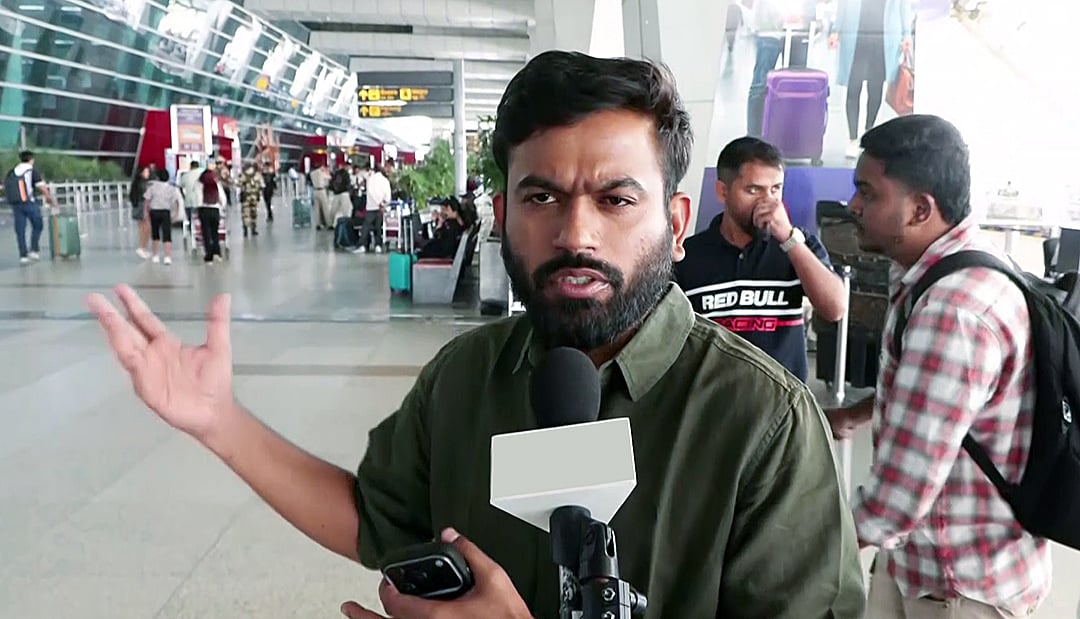
The ongoing discussions surrounding youth-led protests and demonstrations in India have taken a new turn following recent statements from political figures regarding the nature of civil disobedience. Abhijit Dipke, a prominent leader of the Cockroach Janata Party (CJP), has strongly rejected any comparison between the youth movements in India and the government overthrow scenarios witnessed in neighboring countries such as Bangladesh and Nepal. In a video message shared on social media platform X, Dipke emphasized that the peaceful and non-violent stance adopted by Indian protesters bears no resemblance to violent political upheavals abroad.
Dipke used his platform primarily to advocate for jailed CJP leaders Sourabh Das and Ashutosh Ranka, asserting that their conduct has been exemplary and deeply rooted in Gandhian philosophy. He heavily criticized those who draw parallels with violent incidents in Western nations like France, urging critics to instead observe the peaceful demeanor of Indian demonstrators. According to Dipke, the incarcerated leaders entered prison with smiles on their faces, demonstrating resilience and grace despite what he described as unlawful detention. He stressed that they harbored no anger or hatred, choosing instead to follow the path of peace and harmony.

The CJP leader elaborated on the specific demeanor of Sourabh Das and Ashutosh Ranka, noting that they smiled both on their way to prison and inside the courtroom, refusing to fall into any provocative traps. Currently, both leaders have been taken to the Mandir Marg police station in New Delhi as part of ongoing bail hearing procedures. This legal battle has brought renewed attention to how political dissent and youth activism are being handled and perceived within the national capital.
Political analysts observe that framing domestic youth protests within the context of non-violent satyagraha is a deliberate effort to shield the movement from accusations of inciting public disorder. By explicitly distancing themselves from violent international uprisings, leaders like Dipke aim to legitimize their party's activism under constitutional and democratic norms. As the legal proceedings unfold at the Mandir Marg police station and subsequent court hearings approach, the broader implications of these protests and the state's response to them remain a subject of intense public and political scrutiny.