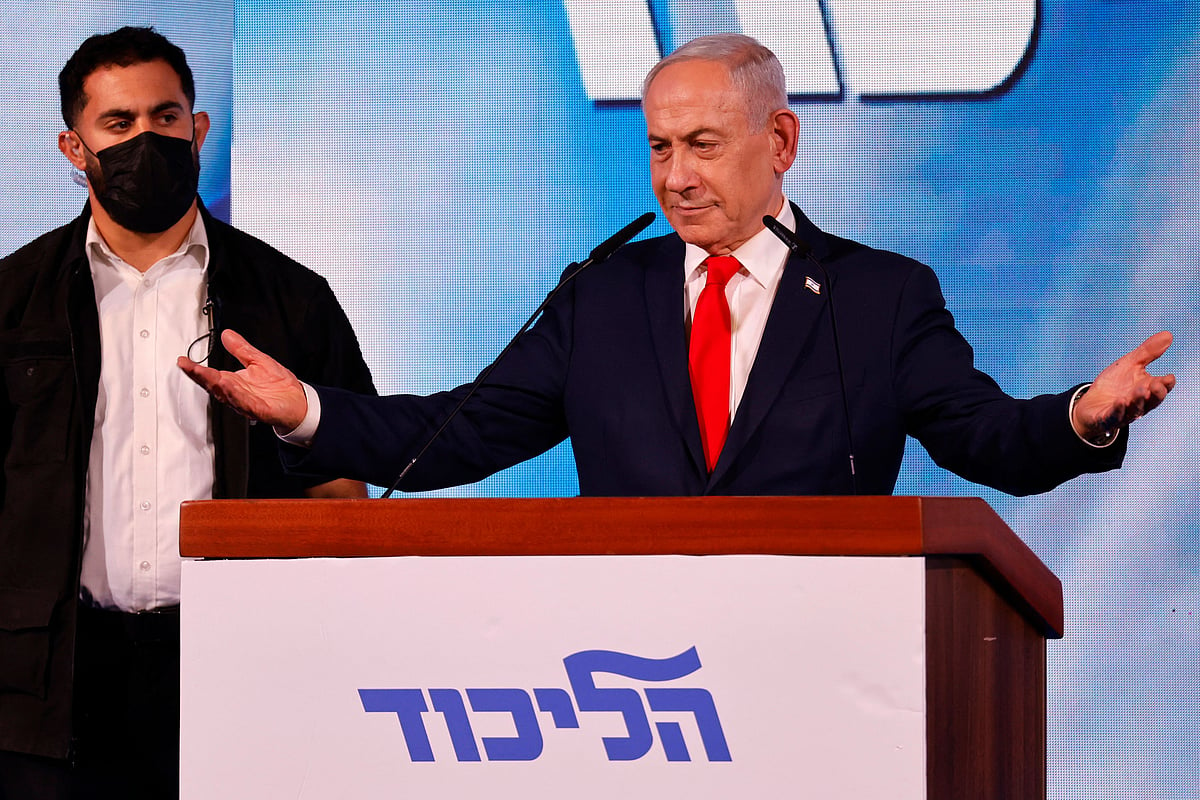
The recent parliamentary elections in Israel have projected a highly fragmented political landscape, with exit polls suggesting that neither Prime Minister Benjamin Netanyahu’s coalition nor his opponents will secure the 61 seats required for an outright majority in the Knesset. While the data indicates a potential boost in representation for Arab parties and a smaller bloc for Netanyahu, the road to forming the next government appears exceptionally complicated, requiring extensive negotiations and political horse-trading.
Electoral polling in Israel is traditionally fraught with uncertainty due to the country’s nationwide proportional representation system, which enforces a strict four-seat threshold to enter the 120-seat legislature. Furthermore, pollsters routinely face operational and trust barriers when assessing specific demographics, such as the ultra-Orthodox population and Arab Israeli citizens. This election cycle introduced additional variables, including hundreds of thousands of new voters, reservists voting via double envelopes, and expatriates returning specifically to cast their ballots, making precise early predictions nearly impossible.

The critical question now facing Israeli politics is how the next administration will be assembled under a hung parliament scenario. The constitutional roadmap dictates that the Israeli president will hold formal consultations with faction leaders before tasking a designated lawmaker with building a governing coalition. Because neither major political camp commands a natural majority, coalition builders must navigate a web of competing interests, courting smaller fringe parties or ideologically diverse factions through policy concessions and ministerial portfolios.
The initial phase of this intricate process involves securing formal endorsements from elected MKs, a stage where every single seat carries immense leverage. Historically, smaller parties—whether ultra-nationalist or Arab factions—have leveraged their parliamentary presence to extract significant policy wins from prospective prime ministers. Netanyahu and his rival bloc leaders are expected to engage in intense behind-the-scenes bargaining to bridge ideological divides and cobble together the necessary numbers.
Ultimately, the protracted coalition-building process will test the resilience of Israel's political institutions and have profound implications for domestic governance and foreign policy. As the nation awaits the final, certified tally that includes the complex double-envelope ballots, the political elite must prepare for a rigorous bout of negotiation that will dictate the country's leadership trajectory for the foreseeable future.