Ashoke Sen stands as a towering figure in the realm of theoretical physics, illuminating the complex mysteries of the universe. Recently, he achieved a historic milestone by becoming the first Indian Bengali scientist to be awarded the prestigious Oskar Klein Medal. By joining the ranks of legendary physicists like Stephen Hawking and Peter Higgs, Dr. Sen has demonstrated that unwavering mental fortitude is the greatest asset a scientist can possess.
Born in Kolkata in 1956, Dr. Sen began his academic journey at Presidency College before pursuing higher studies in the United States. After completing his PhD at Stony Brook University, he conducted post-doctoral research at Fermilab and the Stanford Linear Accelerator Center. Despite his immense success abroad, he remained deeply connected to his roots, returning to India to contribute to the Tata Institute of Fundamental Research and the Harish-Chandra Research Institute.

Dr. Sen is globally renowned for his expertise in string theory. His groundbreaking work in solving complex mathematical problems related to quantum gravity has opened new frontiers in physics. In recognition of his extraordinary contributions, he has been awarded the Fundamental Physics Prize and the highly prestigious Dirac Medal in 2014. The Government of India honored him with the Padma Bhushan, one of the country's highest civilian awards, and he is also a distinguished Fellow of the Royal Society.
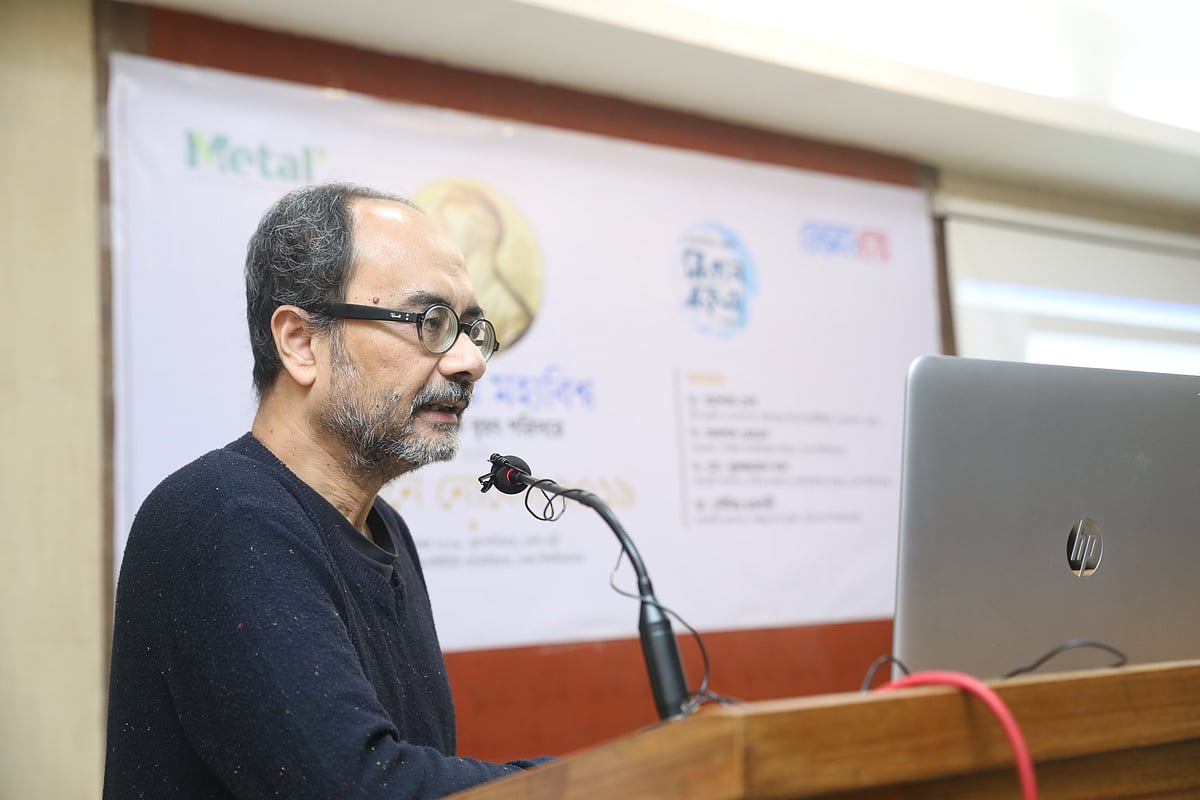
Beyond his research, Dr. Sen is deeply committed to the promotion of scientific inquiry. During his visit to Bangladesh in 2019 for a special event on high-energy physics, he engaged in insightful discussions with young researchers and academics, including Professor Arshad Momen of the University of Dhaka. These interactions continue to inspire a new generation of science enthusiasts in the region.
Dr. Sen’s life serves as a testament to the fact that true scientific breakthrough requires not just academic brilliance, but profound observation and mental resilience. His research papers and theories continue to add new dimensions to physics textbooks worldwide. The global scientific community looks forward to his future contributions, expecting him to unravel even more complex mysteries of the cosmos.