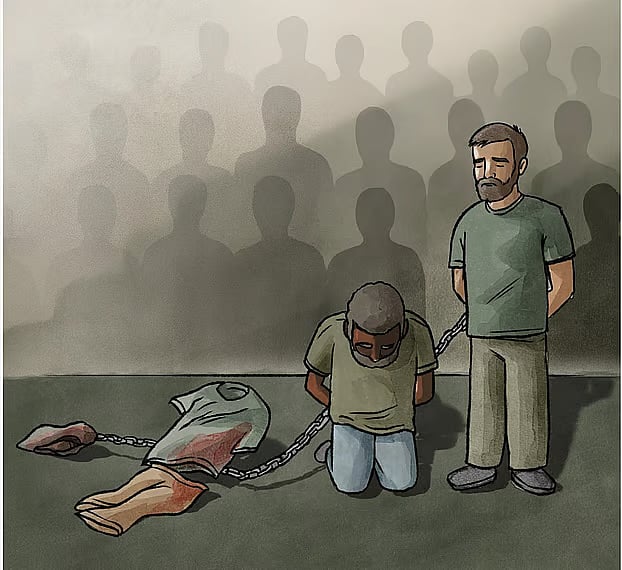
The execution of foreign nationals in Saudi Arabia has reached an alarming milestone, sparking international concern over the fairness and transparency of the kingdom's judicial system. In the first six months of this year alone, Saudi authorities executed 59 foreign nationals, including two Bangladeshi citizens. This grim statistic has highlighted the severe vulnerabilities faced by migrant workers who find themselves entangled in the country's stringent legal framework, particularly regarding drug-related offences and capital punishment.
Human rights organisations have repeatedly pointed out systemic flaws that disadvantage foreign defendants from the moment of their arrest. One of the primary obstacles is the intense language barrier; defendants frequently stand trial without fully comprehending the proceedings unfolding around them. Furthermore, access to competent legal counsel is often severely limited, leaving vulnerable expatriates unable to mount a robust defense against severe charges. Allegations of torture and coerced confessions during pre-trial detention further mar the credibility of these judicial outcomes.

The human cost of these rapid executions extends far beyond the courtroom. Families of executed foreign nationals often face bureaucratic and logistical hurdles that prevent them from receiving the bodies of their loved ones. In numerous heartbreaking instances, grieving mothers and relatives are denied closure as remains are withheld or buried locally without family consent. Such harrowing accounts, documented by international watchdogs like Amnesty International, have intensified global scrutiny on Saudi Arabia's application of the death penalty.
Legal experts and human rights advocates argue that systemic reforms are urgently needed to align judicial practices with international human rights standards. Ensuring the right to a fair trial, providing adequate interpretation services, and guaranteeing unhindered consular access are fundamental steps that must be prioritized. Without these safeguards, marginalized migrant workers will continue to bear the disproportionate brunt of a legal system where they lack both a voice and effective representation.
As the international community continues to monitor these developments, labor-sending countries are under increasing pressure to advocate more robustly for the safety and legal rights of their citizens abroad. Diplomatic channels must be fully utilized to secure fair legal representation and transparent proceedings for expatriates facing severe charges. The ongoing discourse underscores the pressing need for a comprehensive reassessment of capital punishment policies in relation to foreign nationals within the region.