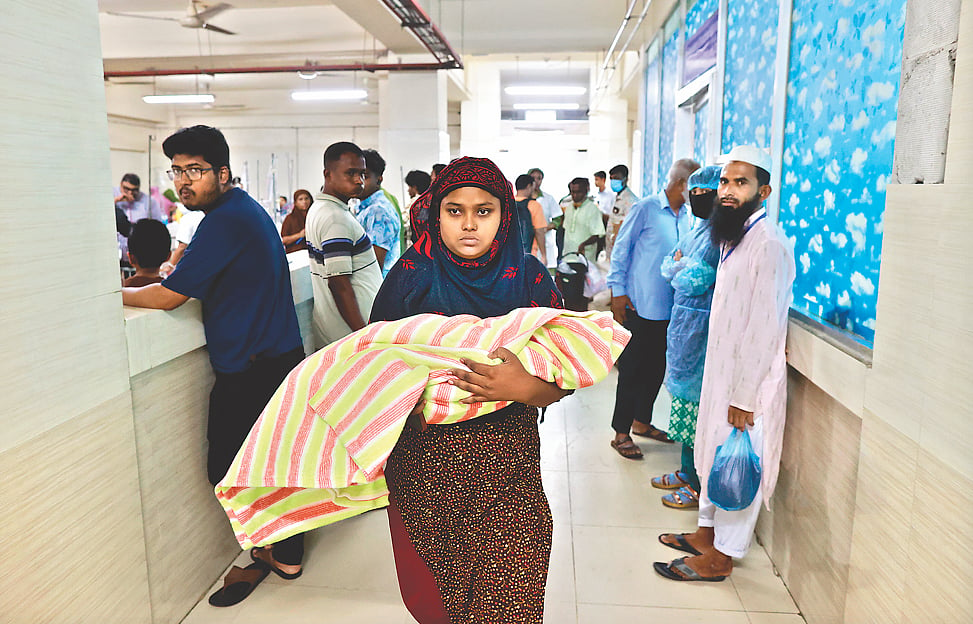
In a concerning finding for public health authorities, a recent comprehensive study has revealed that 27 percent of children in the country failed to develop antibodies against measles even after receiving the vaccine. According to the researchers, this lack of immune response is notably prominent among infants aged 9 to 14 months. Public health experts have emphasized that the government must thoroughly reassess the current immunization strategy and vaccine efficacy in light of these alarming findings.
Researchers noted that this is the first time such an extensive study has been conducted to evaluate measles immunity among children under five years of age following the national measles-rubella vaccination campaign. A team of 12 researchers and officials from the Directorate General of Health Services, Directorate General of Drug Administration, Institute of Epidemiology, Disease Control and Research (IEDCR), Institute of Public Health, Eastern Mediterranean Public Health Network, and Dhaka Homoeopathic Medical College collaborated on the research, with IEDCR leading the initiative.

The context dates back to March when a sudden outbreak of measles prompted the health authorities to launch a nationwide vaccination campaign on April 20. The special drive targeted all children aged between six months and five years, concluding on May 20. At the time, senior health officials had expressed optimism that the infection rates would drop significantly within three to four weeks of the campaign's conclusion.
However, despite the aggressive immunization drive, measles infections have persisted even five months after the campaign ended. This ongoing transmission has sparked widespread concern and public skepticism regarding the effectiveness of the administered vaccines. Public health specialists had previously stressed the urgent need for an independent evaluation to understand why transmission rates remained high despite mass vaccination efforts.
Experts believe that immediate corrective measures are necessary to identify potential vulnerabilities in the vaccine supply chain, cold storage maintenance, or administration protocols. Addressing these systemic gaps will be crucial to restoring public confidence and ensuring that vulnerable children receive robust protection against preventable infectious diseases in the future.