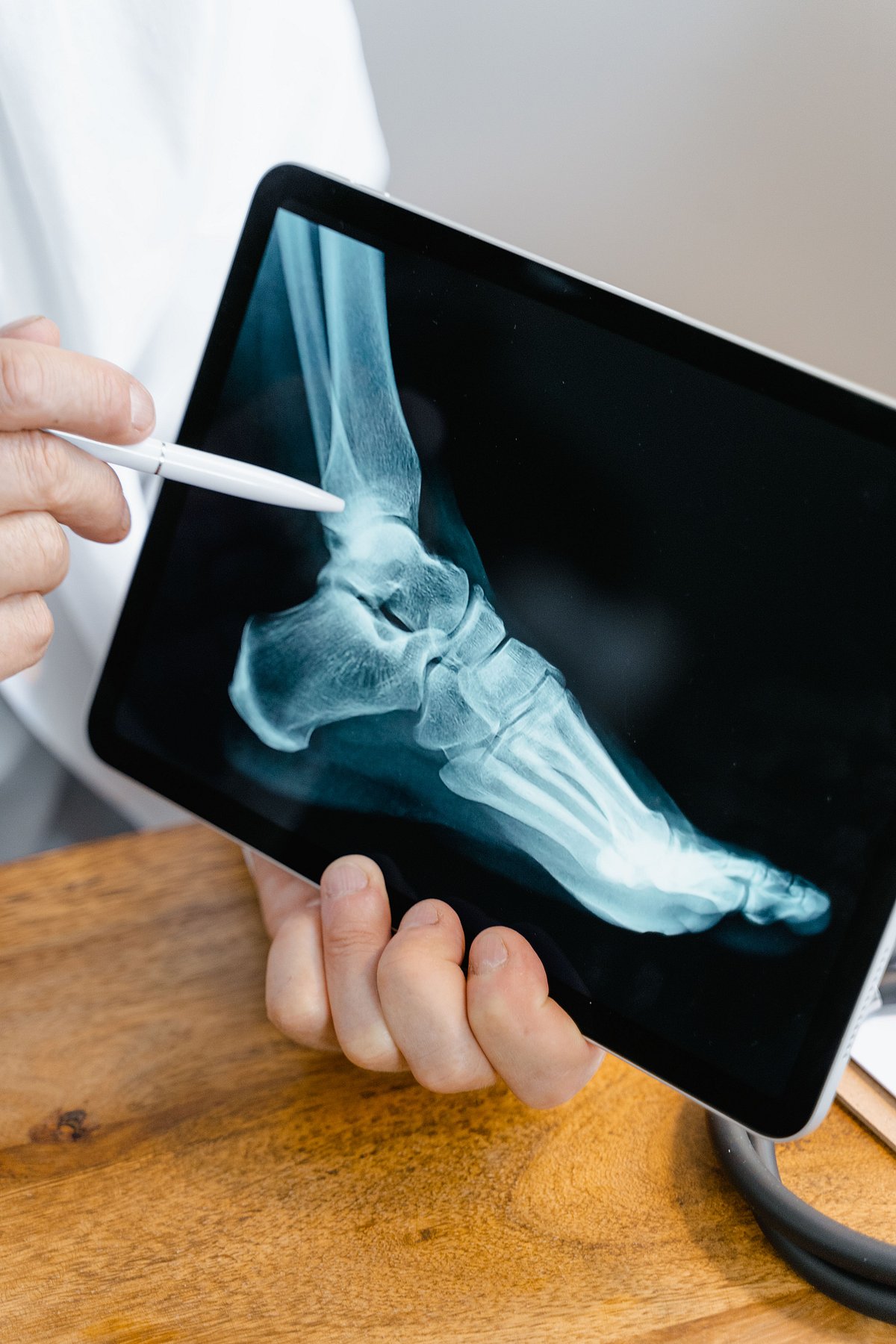
The human skeletal system serves as the structural foundation of the body, and maintaining its integrity is crucial for overall health. As individuals age, bone density naturally declines, significantly increasing the risk of osteoporosis—a condition that renders bones brittle and prone to fractures even under minor stress. This risk is particularly pronounced in the elderly and women post-menopause. To mitigate these risks and ensure long-term bone health, nutritionists emphasize the intake of three critical nutrients: calcium, vitamin D, and protein.
Calcium acts as the primary mineral component of bone tissue, providing the necessary structural strength. To maintain adequate levels, one should incorporate dairy products like milk and yogurt, small fish consumed with bones, sesame seeds, and leafy green vegetables into their daily diet. However, calcium intake alone is insufficient; the body requires vitamin D to facilitate the absorption of calcium into the bones. Without adequate vitamin D, the body cannot effectively utilize the calcium consumed.

The most accessible source of vitamin D is sunlight, though it can also be obtained through fatty fish and egg yolks. In cases of severe deficiency, medical professionals often recommend supplements to bridge the gap. Beyond bone density, protein plays a vital role in maintaining the health of both bones and surrounding muscles. Protein acts as a binding agent for bone cells, ensuring structural resilience and flexibility.
According to nutritionists, a balanced diet rich in fish, lean meat, eggs, milk, lentils, and chickpeas is essential for muscle and bone maintenance. Furthermore, nuts and seeds like sesame provide magnesium and protein, which offer additional benefits for skeletal health. Adopting a nutrient-dense diet is a proactive measure to reduce the risk of osteoporosis and maintain mobility into old age.
Ultimately, bone health is the result of a synergistic process involving multiple nutrients. Beyond dietary habits, regular physical activity and weight-bearing exercises are recommended to preserve bone density. Prioritizing these nutritional needs from an early age is a fundamental step toward ensuring a healthy, active, and pain-free life in the later years.